
What is storm surge damage? Storm surge is ocean saltwater pushed inland by hurricane winds. Unlike regular rain flooding, it is highly corrosive, meaning submerged electrical systems, HVAC units, and metal structural fasteners usually must be completely replaced rather than dried. Furthermore, standard homeowners insurance does not cover it — you must have a separate flood policy.
When a hurricane makes landfall, the news anchors usually focus on the wind speeds. But the wind is rarely the most destructive force — it's the water. For coastal homeowners, understanding the specific, malicious nature of storm surge is the difference between a successful recovery and a financial catastrophe.
Storm surge is not just "a lot of rain." It is the ocean physically moving into your living room. Because it is saltwater mixed with marine sediment and sewage, it destroys homes in a fundamentally different way than freshwater flooding.
Freshwater vs. Saltwater: The Corrosion Factor
If a freshwater pipe bursts in your home, a restoration crew can often extract the water, run industrial dehumidifiers, and save much of the structure. If your home is flooded by storm surge, the rules change entirely.
| Building Material | Freshwater Flood Response | Storm Surge Response |
|---|---|---|
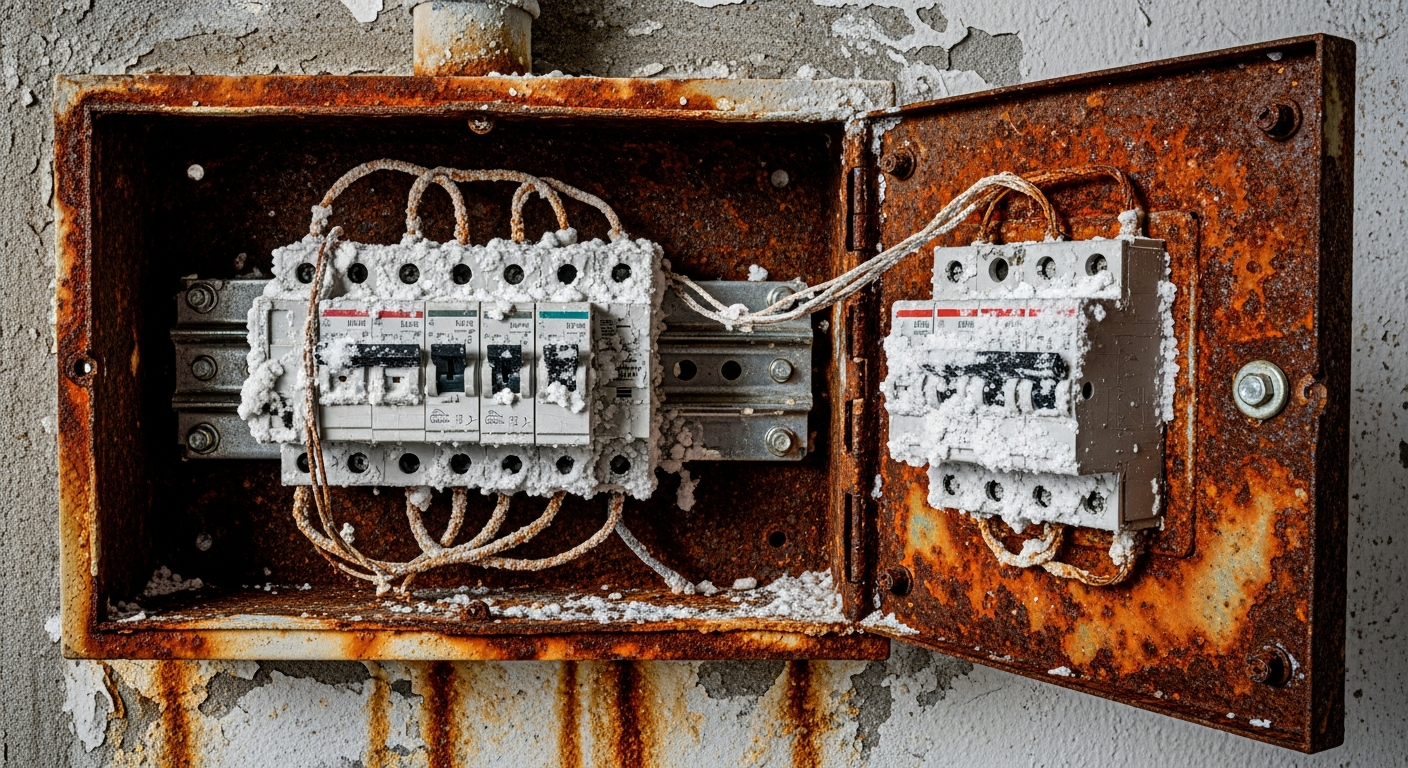
| Electrical Panels & Wiring | Can sometimes be inspected, dried, and retained if not severely submerged. | Replace entirely. Salt accelerates corrosion. A submerged breaker box is a massive fire hazard. |
| HVAC Condensers | Often survive if the motor is dried quickly and the coils are cleaned. | Replace. Salt-laden floodwater destroys coil fins, control boards, and corrodes the fan motors. |
| Structural Fasteners (Hurricane ties, joist hangers) | Generally fine once the surrounding wood is dried. | Inspect & Replace. Salt oxidizes the metal. Corroded hurricane ties lose their structural integrity. |
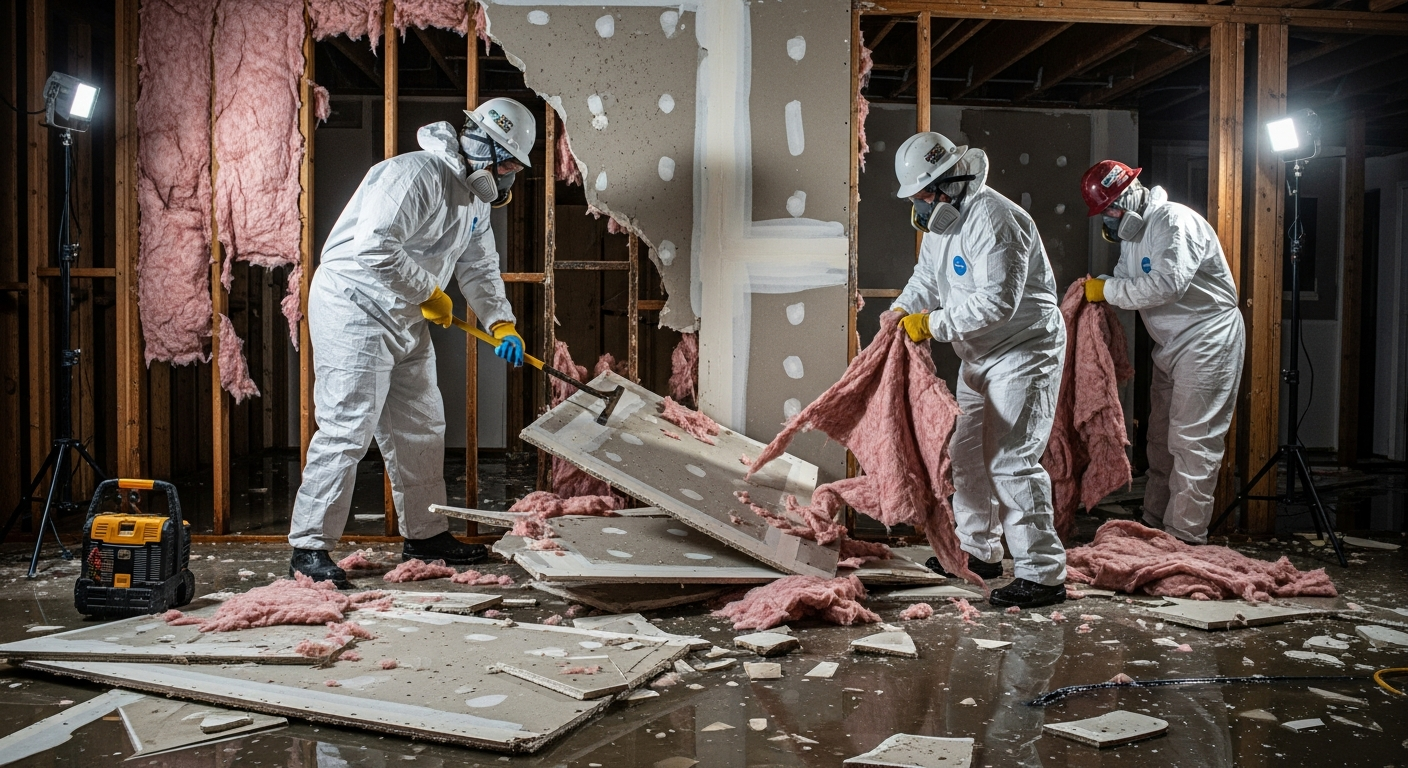
| Insulation & Drywall | Must be removed if wet for >48 hours, but sometimes salvageable if dried immediately. | Tear it all out. It is contaminated with marine bacteria, sewage, and salt. You cannot sanitize it. |
The Insurance Battle: Wind vs. Water
This is the most critical distinction for coastal homeowners: Storm surge is legally classified as flooding.
Standard homeowners insurance covers wind damage (e.g., the wind rips your roof off, and rain falls inside). It absolutely does not cover water that rises from the ground, even if a hurricane pushed that water there. To be covered for storm surge, you must carry a separate National Flood Insurance Program (NFIP) or private flood policy.
If a Category 4 storm hits your house, you will likely suffer both wind and surge damage. The insurance companies will fight over who pays for what. It is your job to document the difference before you clean up.
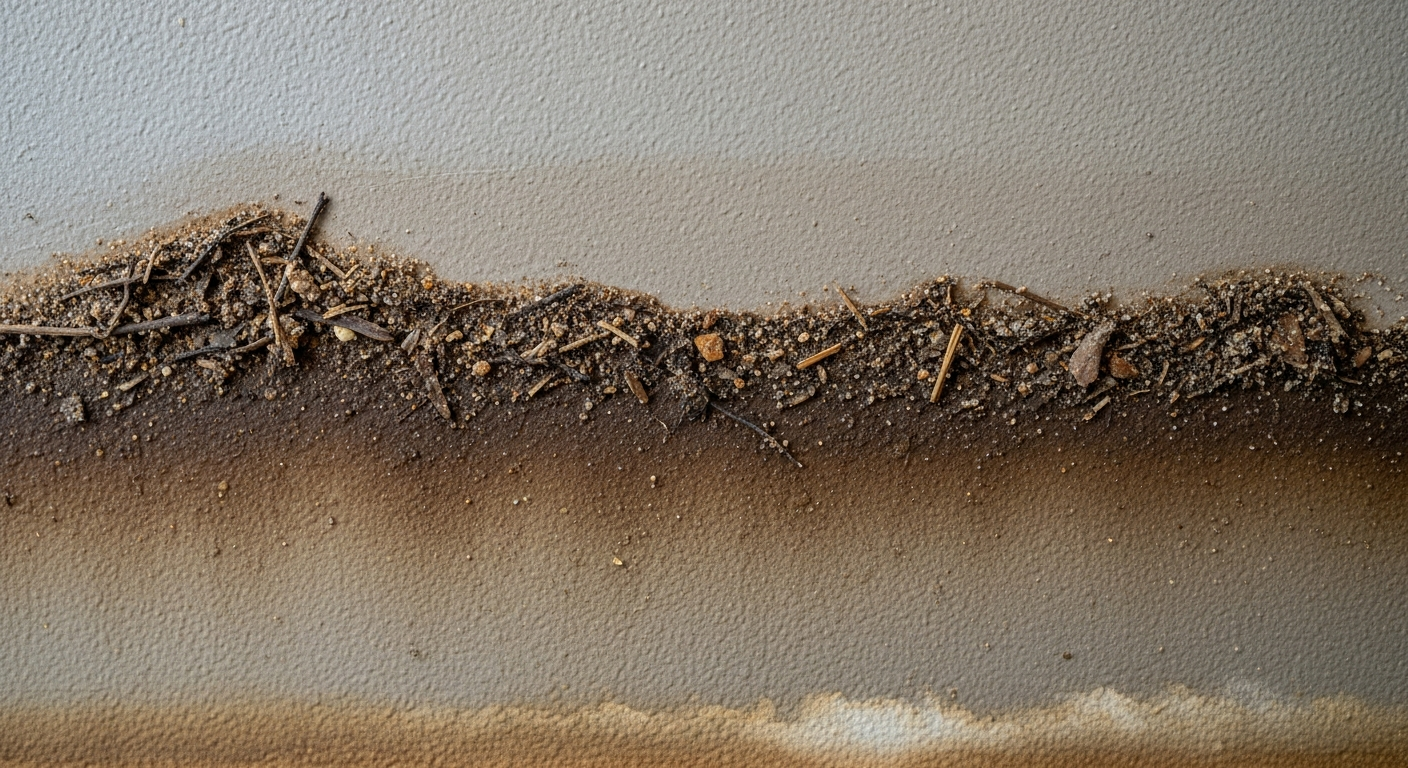
- Photograph the water line: Take wide-angle photos showing the dirty, horizontal high-water mark and sediment debris line left on your drywall. This proves how high the surge rose.
- Document the roof: Take photos of ceiling water stains. If water came through a wind-damaged roof and ruined your upstairs flooring, your homeowners policy should cover that specific damage.
- Do not throw away evidence: If you must remove soaked carpets or ruined appliances for safety, take photos and keep samples (or keep them in the yard) until the adjuster sees them.
The Hidden Trap: FEMA's "50% Rule"
If your home is located in a FEMA-designated Special Flood Hazard Area (SFHA), you are subject to the "50% Rule." This obscure regulation forces thousands of homeowners into unexpected bankruptcies or foreclosures after major hurricanes.
For an older coastal home built on a slab, complying with current code usually means physically elevating the entire house on pilings so the first floor sits above the Base Flood Elevation (BFE). Elevating a house can cost $50,000 to $100,000+ — an expense that is rarely fully covered by standard flood insurance payouts. Always consult your local floodplain manager before pulling permits for storm surge repairs.
How to Clean Up Safely
If you are returning to a home that took on storm surge, treat the water and the mud left behind as a hazardous bio-zone. It is full of agricultural runoff, raw sewage, and sharp marine debris.
- Do not touch the power. Have an electrician pull the meter or clear the main breaker before you step into standing water.
- Wear PPE. Heavy rubber boots, N95 masks, and thick gloves are mandatory. A small cut exposed to surge floodwater can result in a severe infection overnight.
- Flush with fresh water. Once the standing water is pumped out, restoration professionals often "flush" the exposed concrete slab and framing with clean, fresh water to dilute and wash away the corrosive salt deposits before they begin the drying phase.
Frequently Asked Questions
Is storm surge damage covered by homeowners insurance?
No. Standard homeowners insurance covers wind damage and rain entering through wind-created openings. Storm surge is classified as flooding (water rising from the ground) and is strictly excluded from standard policies. You must have a separate flood insurance policy to be covered for storm surge.
What is the difference between storm surge and flooding?
While insurance treats them the same, they are physically different. Normal flooding is freshwater from rain or overflowing rivers. Storm surge is ocean saltwater physically pushed inland by hurricane winds. The saltwater and marine sediment make storm surge highly corrosive, requiring the replacement of electrical systems and metals rather than just drying them out.
How do you repair a house after saltwater flooding?
Saltwater flooding requires a complete tear-out of all porous materials (drywall, insulation, carpet). You cannot effectively sanitize saltwater-soaked drywall. Furthermore, all submerged electrical panels, outlets, and HVAC components must be replaced due to accelerated salt corrosion. The remaining wood framing and concrete must be flushed with fresh water and aggressively dried before rebuilding.
What is the FEMA 50 percent rule for storm damage?
If your home is in a Special Flood Hazard Area and the repair costs exceed 50% of the structure's pre-storm market value, the home is considered "substantially damaged." Local building codes, dictated by FEMA, will require you to bring the entire home up to current flood codes, which often means elevating the house several feet in the air.
Ready to connect with a certified professional? Find restoration services near you through our verified contractor network.