
When should you start preparing for hurricane season? April or May — at least 6–8 weeks before the June 1 start. This gives you time to complete roof inspections, order supplies before they sell out, schedule contractors before they're booked solid, and review your insurance before the 30-day flood policy waiting period becomes a problem.
Hurricane season 2026 runs from June 1 through November 30. NOAA forecasts another above-normal season. For homeowners in Florida, Texas, Louisiana, the Carolinas, and the Gulf Coast broadly, preparation completed before June 1 is not optional. It's the difference between manageable damage and a six-figure insurance claim.
This checklist covers everything that should be done before the first storm forms. It's organised by priority so you can work through it systematically — starting with the things that save the most money and ending with the things that save your sanity. (Both matter. But the roof matters first.)
Priority 1: Roof and Exterior — Where Hurricanes Get In
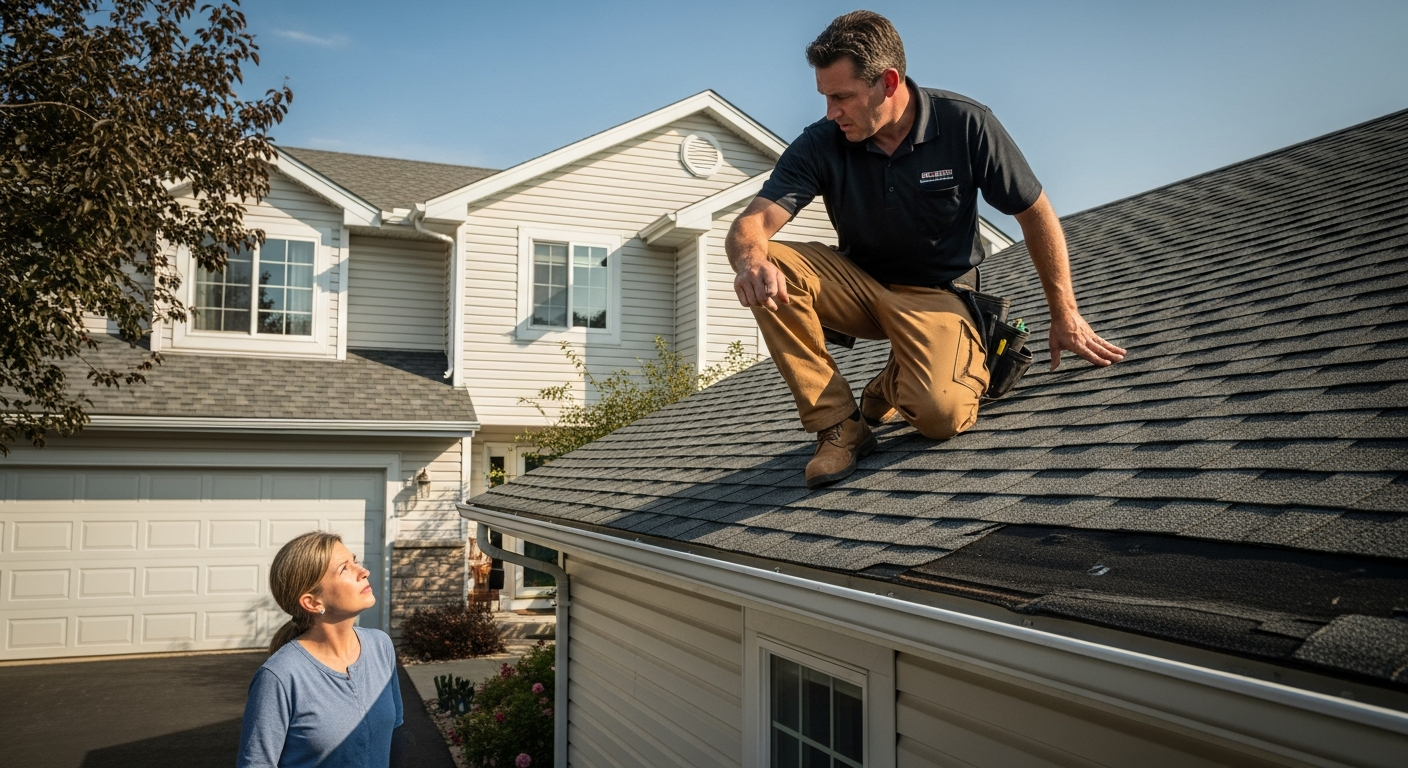
Most hurricane damage enters through compromised roofing. This is where your preparation budget has the highest ROI.
| Task | Why It Matters | Estimated Cost |
|---|---|---|
| Professional roof inspection | Identifies missing shingles, damaged flashing, lifted sections before they become entry points | $150–$400 |
| Repair loose/missing shingles | A single missing shingle can allow wind-driven rain into the roof deck | $150–$500 per area |
| Clear gutters and downspouts | Clogged gutters cause water to back up under roofing and saturate fascia | $100–$250 (professional) |
| Trim trees within striking distance | Storm-weakened branches fail well below hurricane force — 40–50 mph is enough | $300–$1,500 per tree |
| Seal exterior caulking | Cracked caulking around windows/doors allows wind-driven rain into wall cavities | $50–$200 (DIY) |
| Brace or replace garage door | Garage doors are among the most vulnerable failure points in high winds | $200–$600 (bracing kit) |
A $300 roof inspection that catches a $200 repair prevents a $15,000 water intrusion claim. That's not preparation — that's an investment with a 5,000% return. Your stock portfolio wishes.
Priority 2: Windows, Doors, and Openings
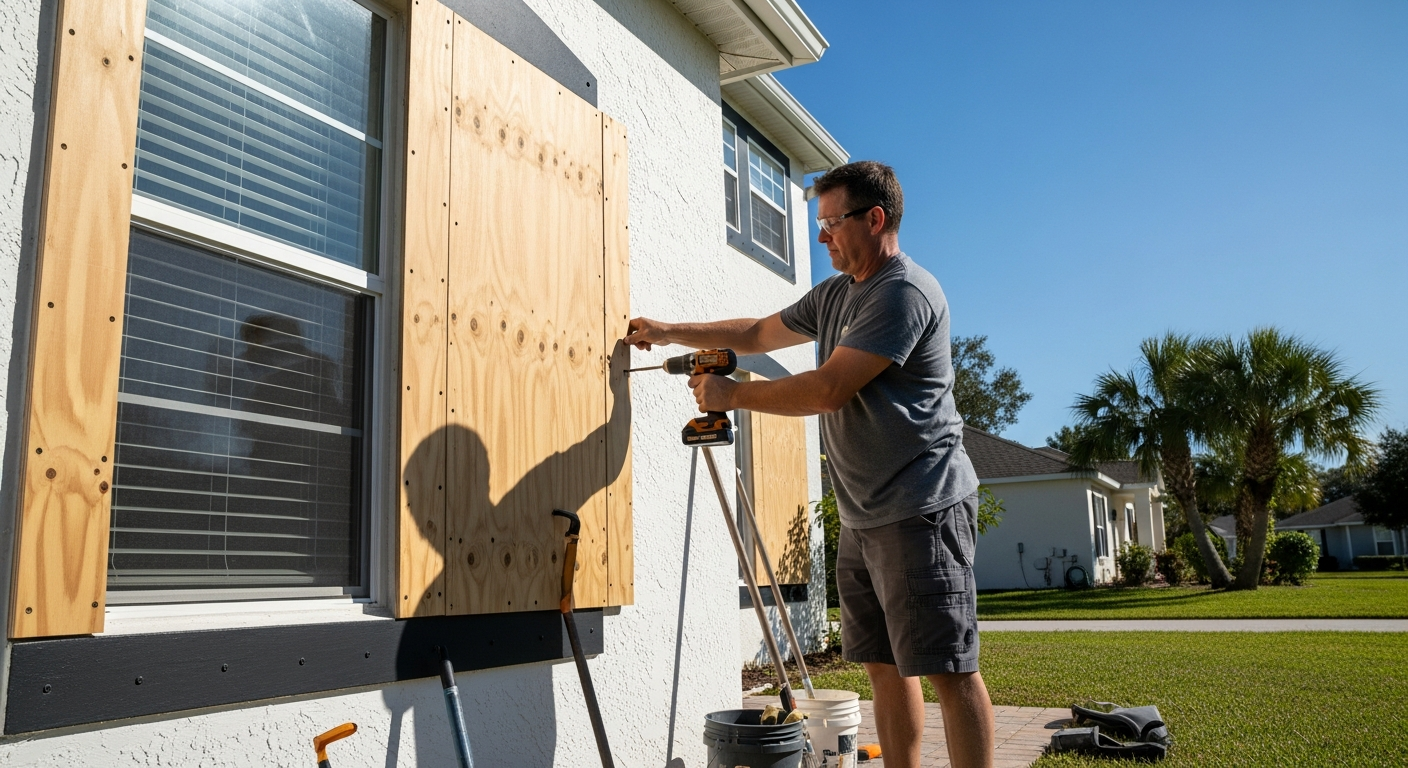
- Install storm shutters or have plywood panels pre-cut. If your windows aren't impact-rated, pre-cut 5/8-inch marine plywood panels stored in the garage allow fast installation when a storm approaches. Label each panel for which window it fits — you will not remember at 2 AM with 80 mph winds forecast.
- Replace deteriorated weather-stripping on all exterior doors. Wind-driven rain exploits every gap.
- Brace sliding glass doors. Place a commercial security bar or cut-down wooden dowel in the track. Sliding doors are vulnerable to wind pressure lifting them off their tracks.
- Don't tape your windows. This is perhaps the most persistent hurricane myth. Tape does not prevent breakage. It creates larger, more dangerous shards. Use shutters or plywood.
Priority 3: Flood and Water Intrusion Prevention
| Task | Why It Matters | Estimated Cost |
|---|---|---|
| Install battery backup sump pump | Power outages are near-universal during hurricanes — exactly when your sump pump is needed most | $300–$800 installed |
| Test main water shut-off valve | Flooding can contaminate your water supply; you need to shut off quickly | Free (your time) |
| Seal foundation vents and basement windows | Prevent water entry through foundation-level openings | $50–$300 |
| Clear storm drains near property | Debris-clogged drains flood faster; clearing them protects your property and neighbours | Free (your time) |
| Elevate valuables from basement | Family photos, documents, electronics — move to upper floors before storm season | Free (but priceless in retrospect) |
| Install backflow valve on sewer line | Prevents sewage backup during flooding — storm surge overwhelms municipal systems | $300–$1,500 installed |
Priority 4: Insurance and Documentation — The Steps Everyone Skips
This section is worth more money than all the physical preparation combined. Most homeowners skip it entirely.
Review Your Insurance Now (Not After the Storm)
| Question to Ask | Why It Matters | What to Do If the Answer Is Wrong |
|---|---|---|
| What is my wind/hurricane deductible? | Hurricane deductibles are often 2–5% of insured value — that's $6,000–$15,000 on a $300,000 home | Budget for the deductible in your emergency fund |
| Do I have flood insurance? | Standard homeowners does NOT cover storm surge or flood. Separate policy required. | Purchase NFIP or private flood policy immediately — 30-day waiting period |
| Are my coverage limits current? | Construction costs have increased 20–40% since many policies were written | Increase dwelling coverage to current replacement cost |
| Do I have ALE coverage? | Additional Living Expenses pays for temporary housing if your home is uninhabitable | Confirm ALE limits — should be 20–30% of dwelling coverage |
| Is my policy RCV or ACV? | Replacement Cost vs Actual Cash Value — difference of thousands on a claim | Upgrade to RCV if currently ACV (worth the premium increase) |
Create a Pre-Storm Home Inventory
This single action can increase your insurance recovery by thousands:
- Video walkthrough of every room — open drawers, closets, cabinets
- Photograph major items with serial numbers visible
- Photograph the exterior — roof, siding, windows, landscaping (establishes pre-loss condition)
- Store copies in cloud storage AND with a family member outside your area
- Save maintenance receipts — roof repairs, HVAC service, plumbing work (proves the home was maintained)
After a hurricane, you'll be filing a claim describing what your home looked like before the storm. Without pre-storm documentation, your claim is based on memory and your adjuster's assumptions. With documentation, it's based on evidence. Evidence wins.
Priority 5: Utilities and Systems
- Test your generator under load for at least an hour. Check fuel, oil, and all connections. Store at least 72 hours of fuel safely. (Generators are like fire extinguishers — the time to discover they don't work is not during the emergency.)
- Know how to shut off gas, water, and electricity. Label the shut-offs with clear instructions. You may need a non-resident to do this for you.
- Have your HVAC system serviced. Ductwork with loose connections allows wind-driven debris to enter your home through the system.
- Label your electrical panel. During and after a storm, you need to quickly identify which breaker controls which area.
- Charge all battery backups. UPS units, laptop batteries, portable phone chargers — charge everything before the power goes out.
Priority 6: Emergency Supplies
| Item | Quantity | Notes |
|---|---|---|
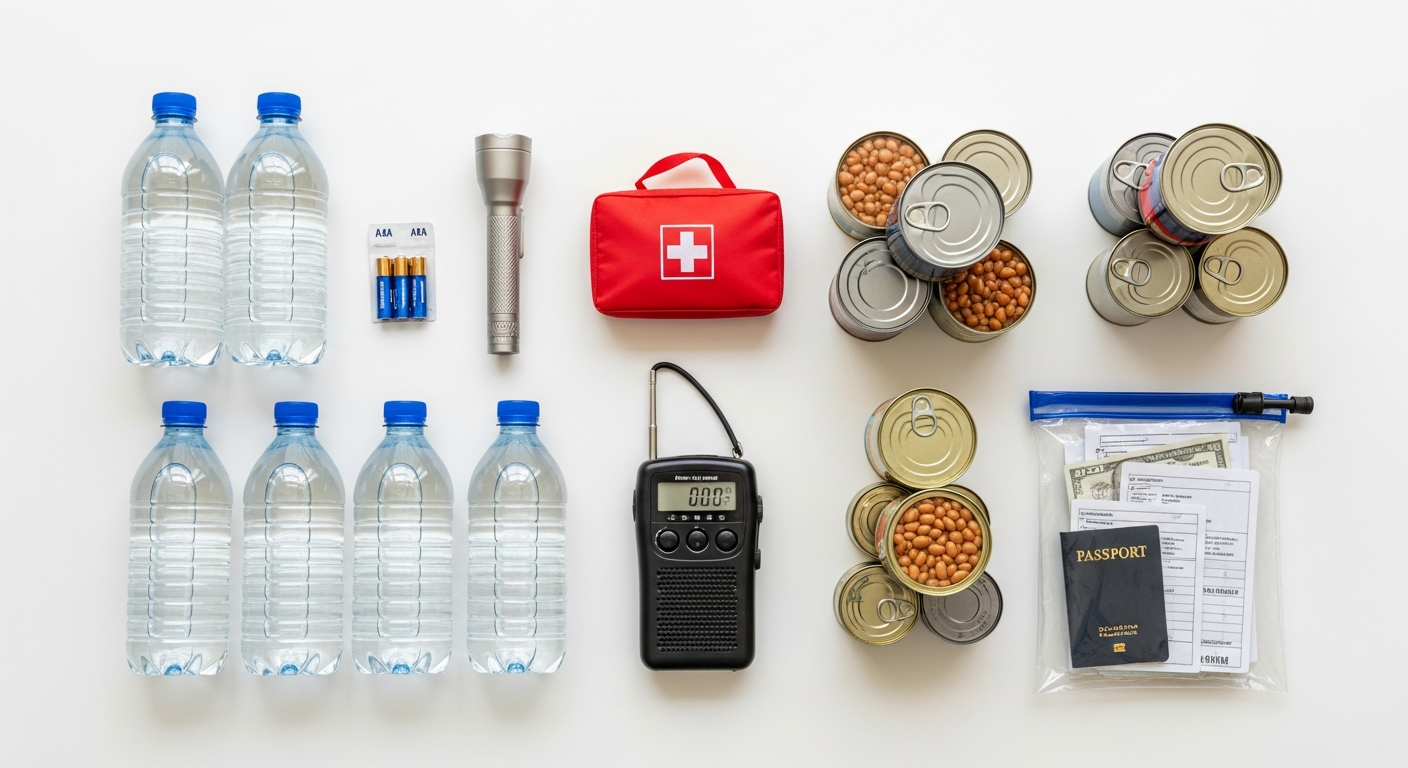
| Drinking water | 1 gallon/person/day × 7 days | Fill bathtub for non-drinking water (flushing) |
| Non-perishable food | 3–7 days | Manual can opener — electric ones don't work without power |
| Weather radio | 1 (battery or hand-crank) | Cell towers may fail; NOAA radio is the backup |
| Flashlights + batteries | 1 per person + extras | Test before storm season — not during |
| First aid kit | 1 comprehensive | Include prescription medications for 7+ days |
| Portable phone chargers | 2+ fully charged | Communication is critical; charge before the power drops |
| Cash (small bills) | $200–$500 | ATMs don't work during outages; card readers fail |
| PPE for post-storm cleanup | N95 masks, work gloves, waterproof boots | Floodwater is contaminated; you need protection |
Priority 7: Evacuation Planning
- Know your evacuation zone. Florida, Texas, and the Carolinas use lettered zone systems (Zone A is highest risk). Look up your zone today — not when a storm is named.
- Have two evacuation routes planned. Traffic during mandatory evacuations is severe. Know alternate routes that avoid major interstates.
- Identify a destination in advance. Don't wait for a storm watch to decide where you're going. Have a confirmed destination — family, hotel, or shelter — planned now.
- Plan for pets. Not all shelters accept animals. Identify pet-friendly hotels and shelters along your evacuation routes before you need them.
- Prepare a go-bag with insurance documents, identification, medications, cash, phone chargers, and a change of clothes. Ready to grab in 5 minutes.
The 72-Hour Countdown: When a Storm Is Named
| Timeline | Actions |
|---|---|
| 72 hours out | Monitor storm track. Top off vehicle fuel. Activate evacuation plan if in projected path. Begin securing outdoor items. |
| 48 hours out | Install storm shutters/plywood. Fill prescriptions. Withdraw cash. Confirm destination and route. Fill bathtub for non-drinking water. |
| 24 hours out | Bring all outdoor items inside. Turn refrigerator/freezer to coldest settings. Charge everything. Final video walkthrough of home (insurance documentation). |
| Evacuation ordered | Leave. Do not wait. Take go-bag, documents, pets. Turn off utilities if time permits. Lock up and go. |
Frequently Asked Questions
When should I start preparing my home for hurricane season?
Start 6–8 weeks before June 1 — ideally in April or May. This gives you time to complete roof inspections, order supplies before they sell out, schedule contractors before pre-season demand, and purchase flood insurance (which has a 30-day waiting period). Preparation done in May is proactive. Preparation done when a storm is named is panic.
Does homeowners insurance cover hurricane damage?
Standard homeowners insurance covers wind damage from hurricanes but does NOT cover storm surge flooding or flood damage. Flood insurance requires a separate NFIP or private flood policy and has a 30-day waiting period. Your hurricane/wind deductible is often a percentage of insured value (2–5%), not a flat dollar amount — on a $300,000 home, that's $6,000–$15,000 out of pocket before coverage begins.
What is the most important hurricane preparation step?
Secure your roof — most hurricane damage enters through compromised roofing. A professional roof inspection ($150–$400) that catches a missing shingle or damaged flashing prevents thousands in water intrusion claims. After the roof, the most valuable preparation is reviewing and updating your insurance coverage and creating a pre-storm home inventory for claims documentation.
How do I protect my home from storm surge?
Standard home preparation cannot fully protect against significant storm surge. Flood barriers and sandbags offer limited help for severe surge events. The most effective protections are: flood insurance (purchased at least 30 days before a storm), knowing your evacuation zone, evacuating when ordered, and elevating valuables from ground-level areas before storm season.
Should I tape my windows for a hurricane?
No. Taping windows does not prevent breakage. It creates larger, more dangerous glass fragments. Use storm shutters, impact-resistant windows, or pre-cut 5/8-inch marine plywood panels instead. Pre-cut and label your plywood panels before storm season so installation takes minutes, not hours.
Hurricane preparation is one of those things that feels unnecessary right up until the moment it becomes the most important thing you've ever done. The roof inspection you scheduled in April. The flood policy you purchased in March. The go-bag you packed before the storm had a name. These are the decisions that separate "we had some damage but we're fine" from "we lost everything and our insurance doesn't cover it." Do the checklist. Do it in May. And when June arrives with nothing but sunshine, be grateful that you prepared for nothing — because nothing is the best possible outcome.