
What is 24-hour water damage restoration? It is the immediate, emergency mitigation of water damage using industrial-grade extraction and drying equipment to prevent irreversible structural damage and mold growth within the critical 24-to-48-hour window.
If you're reading this while staring at a living room that currently resembles the set of Waterworld (a reference your kids won't get, but you definitely do), you don't have time to mess around. My own basement flooded once, and I spent the first two hours trying to soak it up with six beach towels and a bad attitude. Spoiler alert: neither worked.
The phrase "24-hour water damage restoration" appears on nearly every company's website. But what it means in practice varies enormously — from crews that actually dispatch at 3 AM with commercial equipment, to answering services that promise to call you back "sometime after breakfast." That difference matters immensely for your home, your health, and your wallet.
Common Causes of Water Damage (Or, Why the Universe Is Testing You)
You probably already know why your house is wet, but for the uninitiated, water damage usually stems from a few predictable culprits:
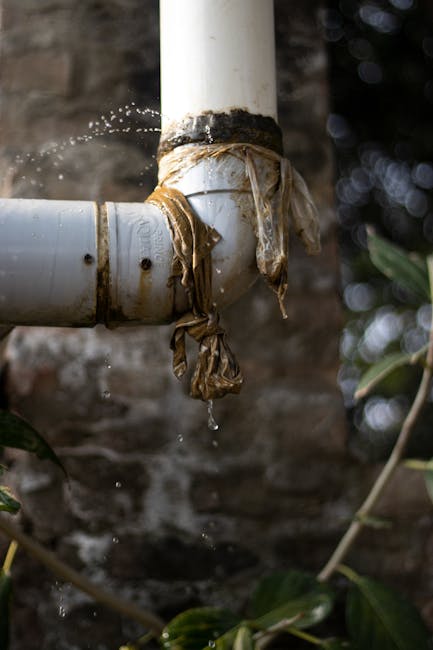
- Burst Pipes: Often caused by freezing temperatures or simply old age. (A situation that can really burst your bubble.)
- Appliance Failure: Your washing machine hose or water heater decided today was a good day to retire, violently.
- Sewage Backup: The worst-case scenario. When the city lines back up into your home, it brings all sorts of unspeakable horrors with it.
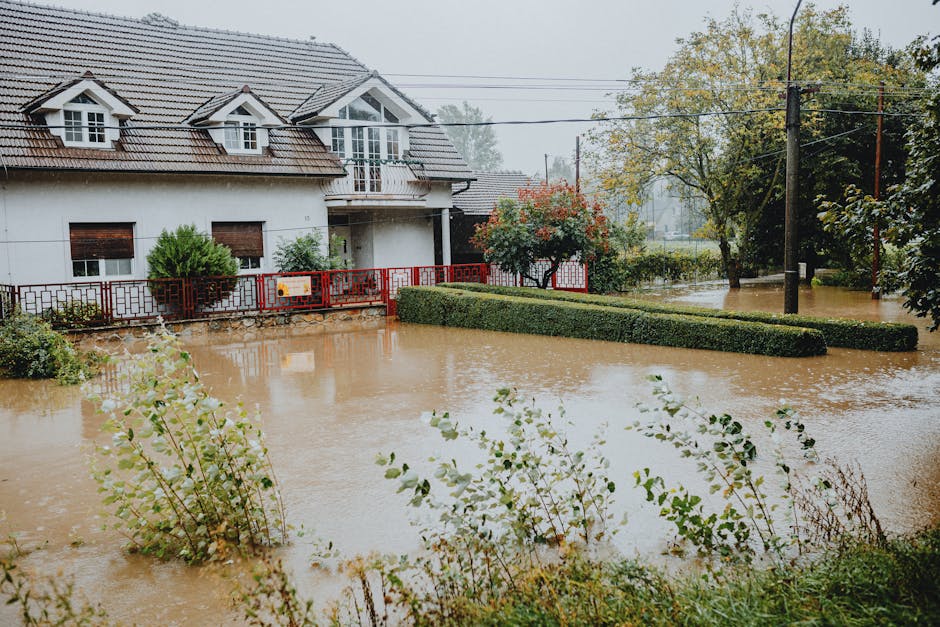
- Natural Flooding: Heavy storms or overwhelmed drainage systems deciding your living room is their new retention pond.
Whatever the cause, the clock starts ticking the second the water hits the floor.
The First 24 Hours: Immediate Steps (Before the Pros Arrive)
While you wait for the emergency cavalry to arrive, you are the first responder. (Yes, I know how that sounds. No, I won't stop.) Here is what you need to do immediately:
- Prioritize Safety: If standing water is near outlets or appliances, turn off the electricity at the main breaker. Water and electricity are like a bad blind date — keep them separated at all costs.
- Stop the Source: Find the main water valve and shut it off. If you don't know where it is, now is a fantastic time to learn.
- Document Everything: Take photos and videos of the damage before you touch anything. Your insurance adjuster is going to want proof, and "dude, trust me, it was so wet" doesn't hold up in claims court.
- Move the Furniture: Get your chairs, rugs, and anything porous out of the water. Wood stain bleeds into wet carpet remarkably fast.
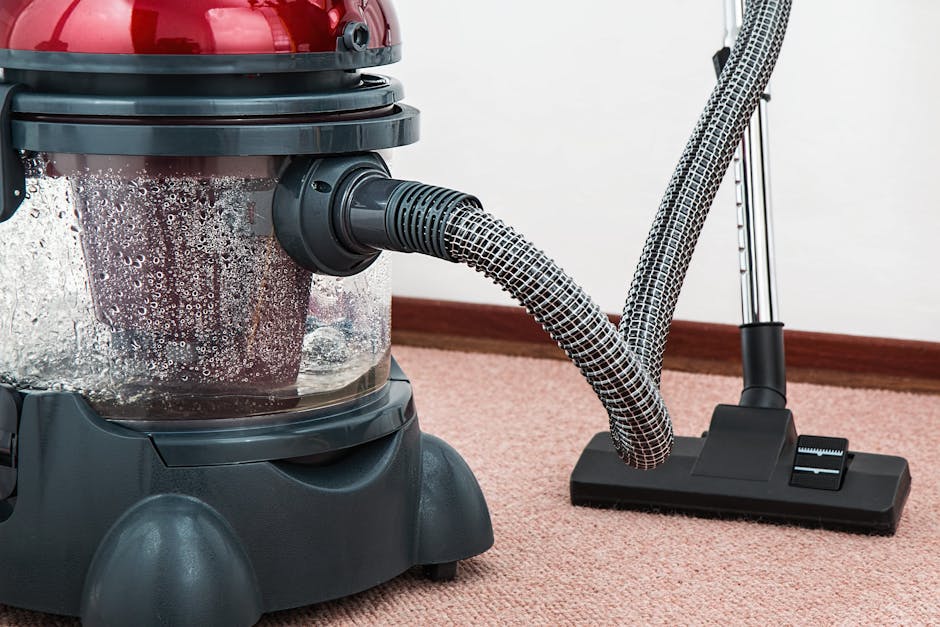
What you should NOT do: Break out your shop-vac. Your consumer-grade vacuum is going to surrender to three inches of standing water in about four minutes.
The Restoration Process: What the Pros Actually Do
When a legitimate 24/7 restoration crew arrives, they follow a highly specific, scientific process to save your house:
- Initial Assessment: They arrive with moisture meters and thermal imaging cameras to find the water hiding behind your walls. (It's like X-ray vision, but much less glamorous.)
- Water Extraction: Industrial pumps remove hundreds of gallons of standing water in minutes. This is the heavy lifting phase.
- Structural Drying: They place LGR (Low Grain Refrigerant) dehumidifiers and high-velocity air movers. This isn't just "opening a window." This is creating a controlled desert environment inside your home.
- Cleaning and Sanitization: Especially critical if you're dealing with anything worse than a clean pipe break. They sanitize surfaces to prevent bacterial growth.
- Reconstruction: Once the drying goals are met, they replace the drywall, padding, and flooring that couldn't be saved.
The Science of Saturation (Why Every Hour Costs You Money)
Water behaves predictably. The longer it sits, the deeper it goes, and the more expensive it gets to remove. Here is what is happening to your house right now:
| Time After Event | What Is Happening | Restoration Implication |
|---|---|---|
| 0–4 hours | Surface water present; structural materials beginning to absorb moisture. | Extraction stops absorption; most materials can be dried in place. ($3,000–$6,000) |
| 4–24 hours | Drywall swelling; carpet padding saturated; wood floors begin to cup. | Carpet padding likely must go; drywall may be salvageable. ($5,000–$8,000) |
| 24–48 hours | Drywall paper delaminating; framing saturated; mold conditions begin. | Drywall must be removed; significant reconstruction scope developing. ($8,000–$15,000) |
| 48–72 hours | Mold visibly beginning; subflooring deteriorating. | Mold remediation added; subfloor may require replacement. ($15,000+) |
| 72+ hours | Mold actively growing; significant structural compromise. | Full mold remediation; massive reconstruction required. (Don't let it get here.) |
The financial takeaway? A burst pipe discovered and addressed within two hours is a headache. A burst pipe discovered three days later is a second mortgage.
Shop-Vac vs. The Big Guns: Why DIY Drying Fails
I know you're handy. I know you've got a garage full of tools. But trying to dry out structural water damage with a shop-vac and two box fans is like trying to empty a swimming pool with a soup spoon. You're just moving the water around.
Professional LGR dehumidifiers process 80–200 pints of water per day directly out of the air and building materials. A consumer dehumidifier processes maybe 30 pints on a good day. If you try to DIY this, you will end up with dry carpets on the surface and a massive mold colony growing in the padding underneath. Let the pros handle the heavy artillery.
Frequently Asked Questions (People Also Ask)
What happens if water sits for 24 hours?
Within 24 hours, drywall swells, wood flooring begins to warp and cup, and carpet padding becomes irreversibly saturated. Crucially, the 24-to-48-hour mark is when mold spores begin to colonize. Leaving water for a full day guarantees that your cleanup job will be significantly more expensive and destructive.
Is it safe to stay in a house with water damage?
It depends entirely on the source and severity. If it's a clean water pipe break in a single room, you can likely stay (assuming the power is safely isolated). If it is a sewage backup (Category 3 water) or if there is standing water near electrical outlets, you need to evacuate immediately. Health and safety always come first.
Can I dry out water damage myself?
For minor spills? Yes. For a flooded room? Absolutely not. Without commercial-grade dehumidification and moisture meters, you cannot pull moisture out from behind the drywall or beneath the subfloor. DIY drying is the leading cause of secondary mold growth.
How much does emergency water extraction cost?
While the national average ranges from $1,300 to $6,000, emergency dispatch often includes an after-hours fee of $150 to $400. However, paying that premium to get a crew on-site immediately almost always saves you thousands of dollars in the long run by preventing the need for extensive drywall replacement and mold remediation.
When the water starts rising, you don't have time to wait for normal business hours. If your house is currently pretending to be an indoor pool, call us before your water bill needs its own postcode.