
How do you file a hail damage roof insurance claim? Document damage with timestamped photos before calling anyone, get an independent roof inspection from a licensed contractor, file your claim promptly with your insurer, be present during the adjuster's inspection with your contractor's report in hand, and review the settlement for proper RCV vs ACV treatment and recoverable depreciation.
Hail damage is one of the most common homeowners insurance claims in the United States — billions of dollars filed annually. It's also one of the most frequently disputed, because hail damage exists on a spectrum from "barely cosmetic" to "your roof now has the structural integrity of a wet biscuit," and insurers, contractors, and homeowners rarely agree on where a particular roof falls on that spectrum.
The homeowners who get paid fairly are the ones who document properly, understand their policy, and show up prepared. The homeowners who get underpaid are the ones who let the adjuster make all the decisions alone on their roof. This guide is for people who'd prefer to be in the first group.
Step 1: Document Damage Before Calling Anyone
Before you call your insurance company or a roofing contractor, walk your property with your phone and photograph everything. Start at ground level — you don't need to climb the roof.
What to capture:
- Gutters and downspouts: Round dents from hail impacts are clear, indisputable evidence of hail size and force
- Soft metal vents, flashing, and chimney caps: These dent easily and show impact patterns
- AC condenser fins: Dented condenser fins confirm hail direction and intensity
- Window screens and frames: Torn or dented screens are hard to dispute
- Vehicles on the property: Dented cars provide independent corroboration of hail size. (Your car doesn't file insurance claims. It just tells the truth about what fell on it.)
- Any shingle damage visible from ground level: Dark spots, missing granules, or cracked shingles
Enable timestamps on all photos. Note the date of the storm and the approximate time. Weather data and radar records can corroborate the hail event — this becomes critical if your insurer later argues the damage predates the storm you're claiming.
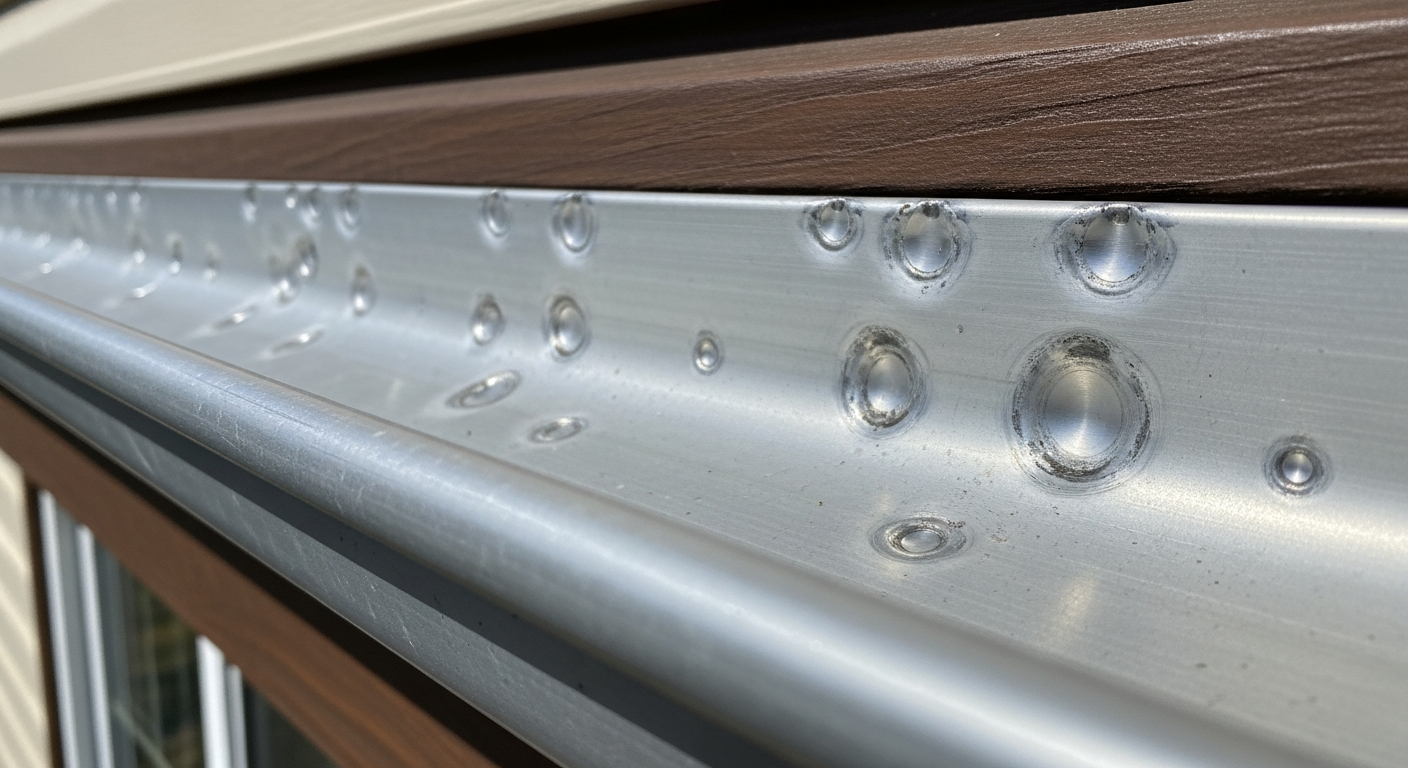
Step 2: Get an Independent Roof Inspection
Before your insurance adjuster visits, have a qualified, licensed roofing contractor inspect the roof and document damage in writing. This independent inspection report becomes your baseline to compare against the adjuster's findings.
- Hail hit density per 10-square-foot test square
- Size of hail impacts (measured in inches)
- Granule loss pattern on asphalt shingles
- Cracked, fractured, or bruised shingles
- Damage to flashings, boots, and penetrations
- Whether damage is functionally significant vs. cosmetic
The "functionally significant" distinction matters enormously. Hail damage that removes protective granules from asphalt shingles accelerates UV degradation — a roof with significant granule loss will fail years earlier than it would have otherwise. This functional damage is coverable even when the shingles aren't visibly cracked. An adjuster who calls it "cosmetic" when granule loss exceeds manufacturer thresholds is incorrect, and your contractor's report gives you the evidence to prove it.
Most reputable roofing contractors offer free hail damage inspections — they're hoping for the repair work if the claim is approved. This is a reasonable business arrangement as long as you're not pressured to sign anything before the inspection is complete.
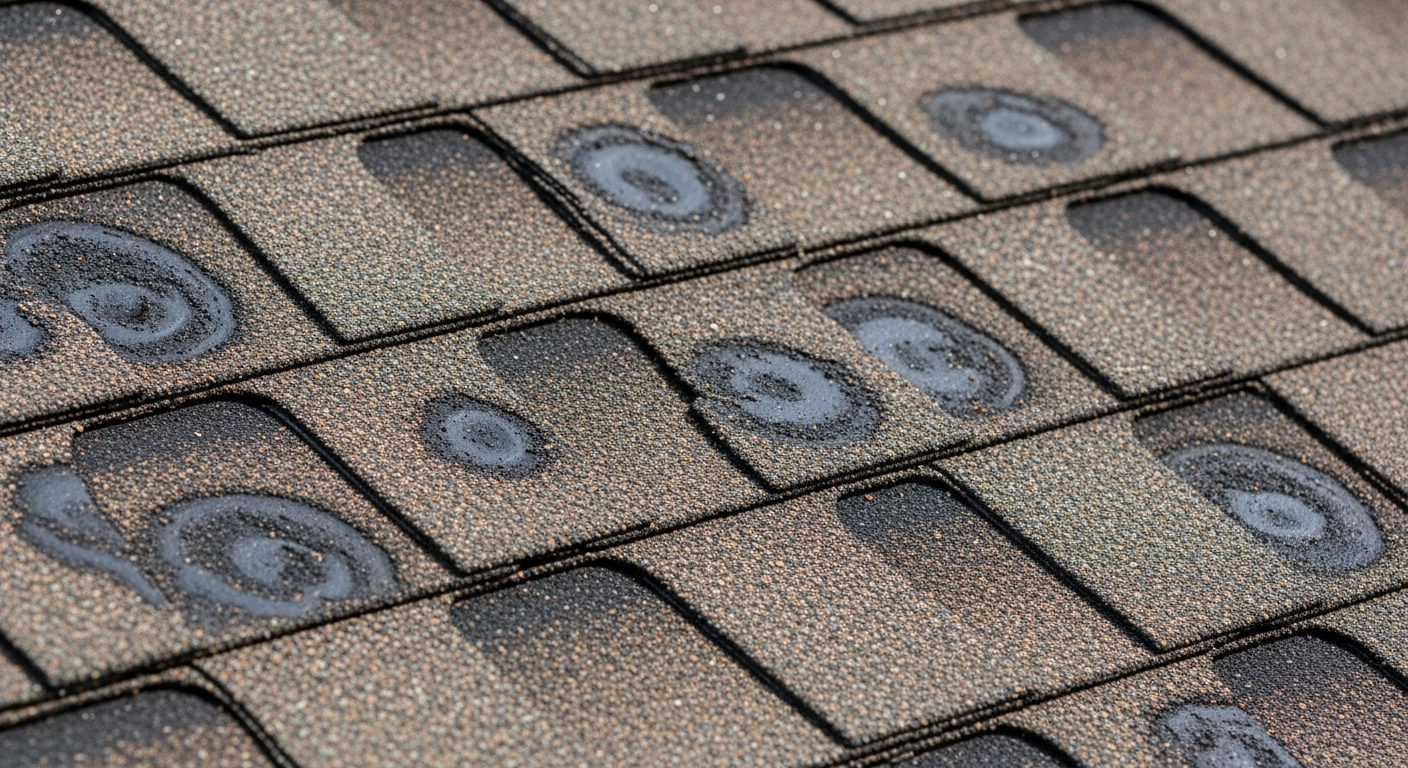
Step 3: File Your Claim Promptly
Report the claim to your insurance company as soon as possible after the storm. Most policies have prompt reporting requirements — waiting weeks or months gives the insurer grounds to question whether the damage actually occurred during the storm you're citing.
When filing, provide:
- Date and approximate time of the storm
- Your documentation photos (ground-level damage)
- Your independent inspection report if already completed
Ask for your claim number and the name of the adjuster assigned to your file. Write both down. You'll reference these in every subsequent communication.
Step 4: Be Present During the Adjuster's Inspection
You have the right to be on the roof with the adjuster during their inspection. Use it. Being present allows you to:
- Point out damage the adjuster might miss (or choose not to document)
- Ask questions about what they're noting and what they're excluding
- Compare their findings in real time against your independent inspection
Bring your contractor's inspection report and photos. If your contractor identified 35 hail impacts per test square and the adjuster finds 8, you have a documented discrepancy that supports a re-inspection request.
Better yet, have your roofing contractor present during the adjuster's visit. A contractor who speaks the technical language of roofing can point out damage an adjuster might miss — especially functional granule loss that looks innocuous from a distance but reduces the roof's remaining lifespan by years. (Adjusters are not bad people. They're just people with a lot of roofs to inspect in a short time. Your contractor has one roof to focus on — yours.)
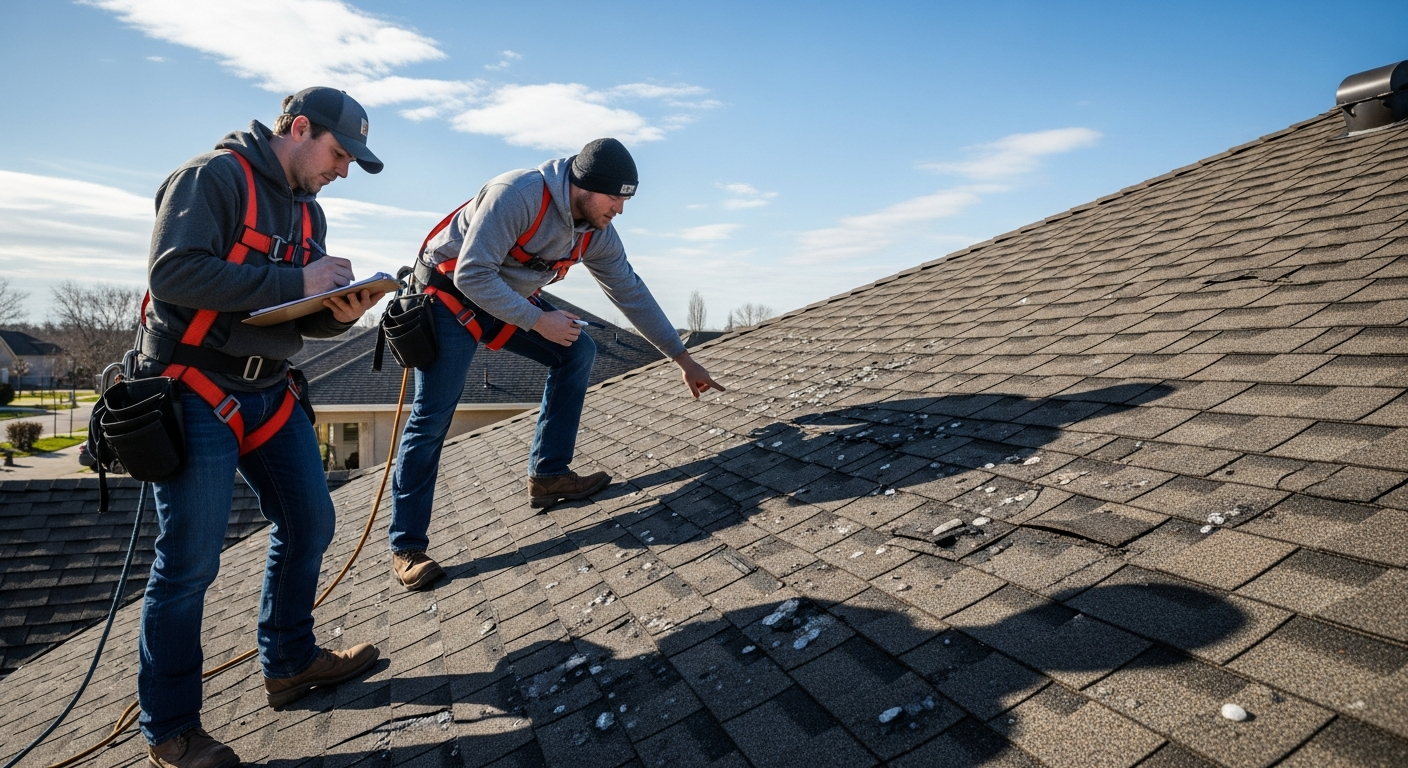
Understanding Your Settlement
Hail damage settlements involve concepts that significantly affect how much you receive:
| Concept | What It Means | Impact on Your Payout |
|---|---|---|
| Replacement Cost Value (RCV) | Insurer pays today's cost to replace the damaged roof, minus deductible | You receive full repair cost |
| Actual Cash Value (ACV) | Insurer pays replacement cost minus depreciation based on roof age | A 15-year-old roof on a 20-year lifespan might receive only 25% of replacement cost |
| Wind/Hail Deductible | Separate deductible for wind/hail events, often 1–2% of dwelling coverage | On a $300K policy, that's $3,000–$6,000 out of pocket |
| Recoverable Depreciation | With RCV policies, insurer initially pays ACV; releases the held-back depreciation after repairs are completed | Can be 20–40% of total settlement — don't forget to file for it |
The recoverable depreciation line item is the one most homeowners miss. Your insurer sends the first check (ACV minus deductible), you get the roof repaired, then you submit the final invoice and they release the remaining depreciation holdback. That second payment can be $3,000–$8,000 on a typical roof. Leaving it on the table is like finishing a marathon and walking off the course 50 metres before the finish line.
Average Hail Damage Roof Repair Costs
Understanding what repairs typically cost helps you evaluate whether your settlement is reasonable:
| Repair Scope | Typical Cost Range |
|---|---|
| Minor repairs (patches, individual shingles, flashing) | $500–$2,500 |
| Partial re-roof (one slope or section) | $2,500–$8,000 |
| Full roof replacement (asphalt shingles, average home) | $8,000–$15,000 |
| Full roof replacement (premium materials or large home) | $15,000–$30,000+ |
| Additional items (gutters, vents, skylights, siding) | $1,000–$5,000+ |
If Your Claim Is Denied or Underpaid
Hail damage claims are disputed more often than almost any other type. Common insurer positions include: the damage is cosmetic rather than functional, the damage predates the claimed storm, the damage falls below the deductible threshold, or the roof was poorly maintained.
Here's your escalation path:
- Request the denial in writing with specific policy language cited. You need to see exactly which clause they're relying on.
- Get a second independent inspection from another qualified contractor — preferably one with forensic roofing expertise.
- Request a re-inspection from the insurer. Ask for a different adjuster if possible. Have your contractor present.
- Consider a public adjuster — a licensed professional who reviews your policy and damage on your behalf. They typically charge 5–15% of the settlement but regularly increase payouts by 20–50% on disputed claims. On a $12,000 roof, that math works in your favour.
- File a complaint with your state insurance commissioner if the denial appears to contradict your policy terms.
- Consult an insurance attorney for claims exceeding $10,000 where you believe the insurer is acting in bad faith.
Storm Chasers: The Other Kind of Damage
After significant hail events, unlicensed or out-of-state contractors appear like mushrooms after rain — knocking on doors, offering free inspections, and promising to "handle everything with your insurance."
Red flags:
- No local physical address or business registration
- Pressure to sign a contract before the inspection is complete
- Asking you to sign an Assignment of Benefits (AOB) — this transfers your claim rights to the contractor
- Offering to "waive your deductible" — this is insurance fraud in most states
- Cannot provide a state contractor licence number when asked
Verify any contractor's licence with your state contractor licensing board. Check their BBB profile and Google reviews. If they showed up at your door unannounced the day after a storm with out-of-state plates, they're probably not the company you want on your roof for the next 20 years. (They won't be around next week, let alone in 20 years.)
Frequently Asked Questions
How do I know if my roof has hail damage?
Look for round dented impressions on soft metal flashing, gutters, and downspouts; dark circular marks on asphalt shingles where granules have been knocked off; cracked or split shingles; and dented AC condenser fins. The most reliable method is a professional roof inspection — many signs of hail damage are not visible from the ground. Dented vehicles on the property also confirm a significant hail event.
Does homeowners insurance cover hail damage to the roof?
Standard homeowners insurance covers hail damage under the windstorm/hail peril. However, some policies exclude "cosmetic only" damage, apply ACV depreciation instead of replacement cost to older roofs, or carry a separate wind/hail deductible (often 1–2% of dwelling coverage). Review your policy before storm season and ask your agent specifically about roof coverage terms.
How long does a hail damage insurance claim take?
Most hail damage claims resolve within 30–60 days from filing. Complex claims, scope disputes, or high-volume periods after widespread storms can extend this to 90+ days. State regulations set timelines — Texas, for example, requires insurers to acknowledge a claim within 15 days and accept or reject it within 15 days of receiving all documentation.
Can I use my own contractor instead of the one my insurance recommends?
Yes — you are never required to use an insurer-recommended contractor. You have the right to hire any licensed, qualified contractor of your choice. Insurer "preferred vendor" relationships can create incentives that aren't always aligned with your interests. Get at least two independent estimates for comparison, regardless of who the insurer suggests.
What if my hail damage claim is denied?
Request the denial in writing with the specific policy clause cited. Get a second independent inspection. Request a re-inspection from the insurer with a different adjuster. Consider hiring a public adjuster (5–15% fee, often increases payouts 20–50%). File a complaint with your state insurance commissioner if the denial contradicts your policy. For claims over $10,000, consult an insurance attorney about potential bad-faith practices.
Hail damage claims are won or lost before the adjuster arrives. Document early, inspect independently, and show up with evidence. The homeowners who treat their insurance claim like a negotiation — with preparation, documentation, and a willingness to escalate — consistently receive settlements that actually cover the cost of repairs. The ones who trust the process to work itself out? They're the ones funding their roof replacement with a combination of insurance money and personal savings. And personally, I'd rather keep the savings.