
How do you keep water out of your basement during spring thaws? Prevent spring flooding by creating a "6-inch drop over 10 feet" grade away from your foundation, extending downspouts at least 6 feet from the house, shoveling snow away from window wells, and testing your sump pump (while ensuring it has a dedicated battery backup).
Spring is the highest-risk flooding season for basements across the United States. It's a perfect storm of hydrology: the ground is already saturated from winter precipitation, rapid snowmelt adds thousands of gallons of water to the water table, and spring rainstorms dump even more on top of it. This creates immense "hydrostatic pressure" pushing against your foundation walls.
The good news is that spring flooding is entirely predictable. The preparation you do in February and March dictates whether a heavy April storm is a minor inconvenience or a $15,000 restoration project. Here is how to lock down your basement. (Water already coming in? Skip the prep talk and go straight to basement flooding — what to do first.)
The Sump Pump: Your Primary Defense
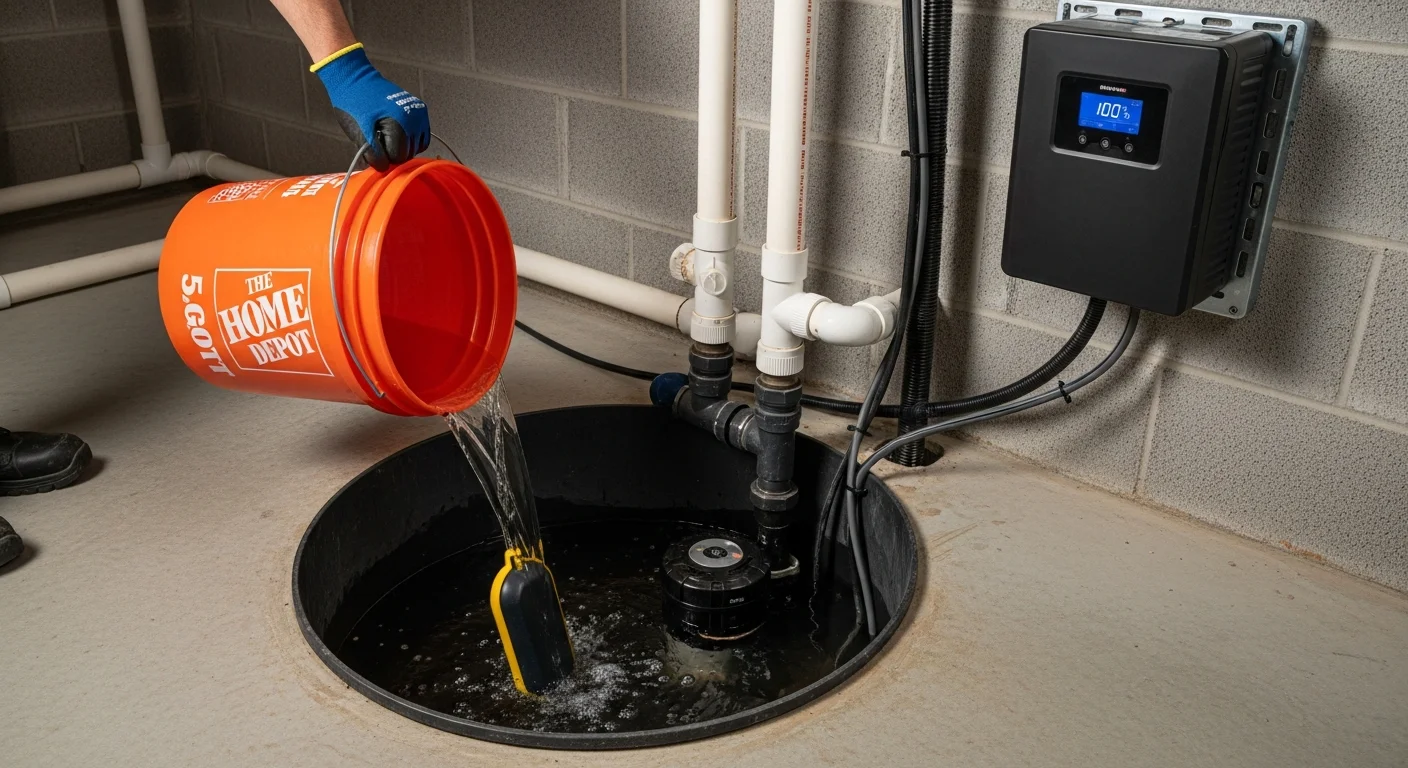
Your sump pump is the only thing standing between a dry basement and an indoor swimming pool. Testing it before the rainy season — when you still have time to call a plumber — is infinitely better than discovering it's dead during a midnight thunderstorm.
| Component | How to Test / Prepare | Why It Fails |
|---|---|---|
| The Pump & Float | Pour a 5-gallon bucket of water into the pit. The float should rise, trigger the pump, and rapidly drain the pit. | Float switch gets pinned against the wall; motor burns out from age. |
| The Discharge Pipe | Go outside and verify the water is actually exiting the pipe and flowing away from the house. | Pipe freezes solid in late winter, causing water to back up into the basement. |
| The Check Valve | Listen after the pump shuts off. If you hear water rushing back into the pit, the check valve is broken. | Internal flapper wears out, forcing the pump to pump the same water twice. |
| Battery Backup | Unplug the primary pump from the wall and pour water in. The backup should take over immediately. | Homeowner forgets to check the battery lifespan (they only last 3-5 years). |
Exterior Defense: Defeating Hydrostatic Pressure
The best way to handle water in your basement is to stop it from getting there in the first place. You have to manage the surface water before it sinks into the soil against your foundation.
The "6-in-10" Grading Rule
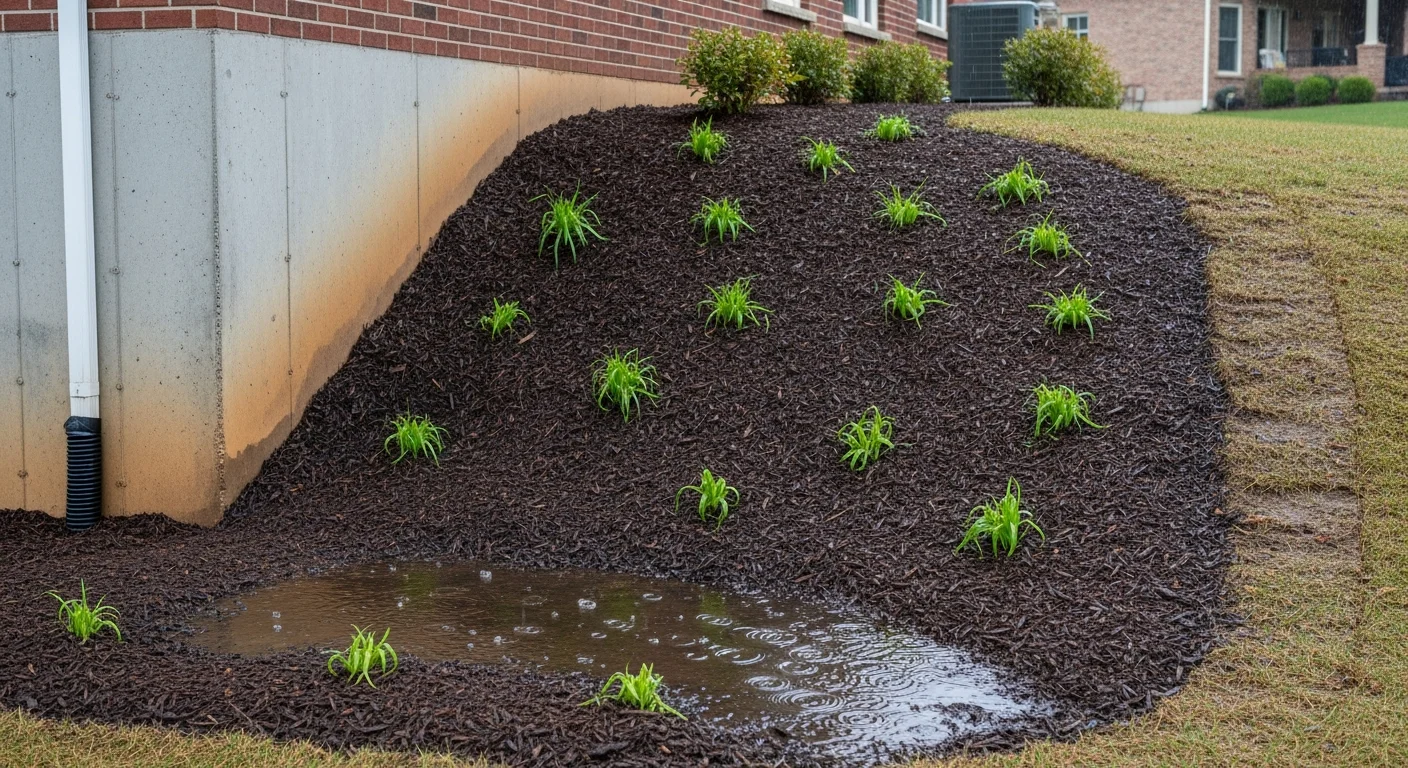
The ground immediately surrounding your home should slope downward away from the foundation at a rate of at least 6 inches over the first 10 feet. Over the years, soil settles against the house, creating a flat or inward-sloping grade. If your yard slopes toward your house, every drop of rain is funneled directly into your basement walls. Adding topsoil to recreate a positive drainage slope is the cheapest, most effective waterproofing you can buy.
Snowmelt Management
As the weather warms, go outside and shovel the snow drifts away from your foundation and window wells. If a massive pile of snow melts directly against your siding, that water has nowhere to go but down into your basement.
Downspout Extensions
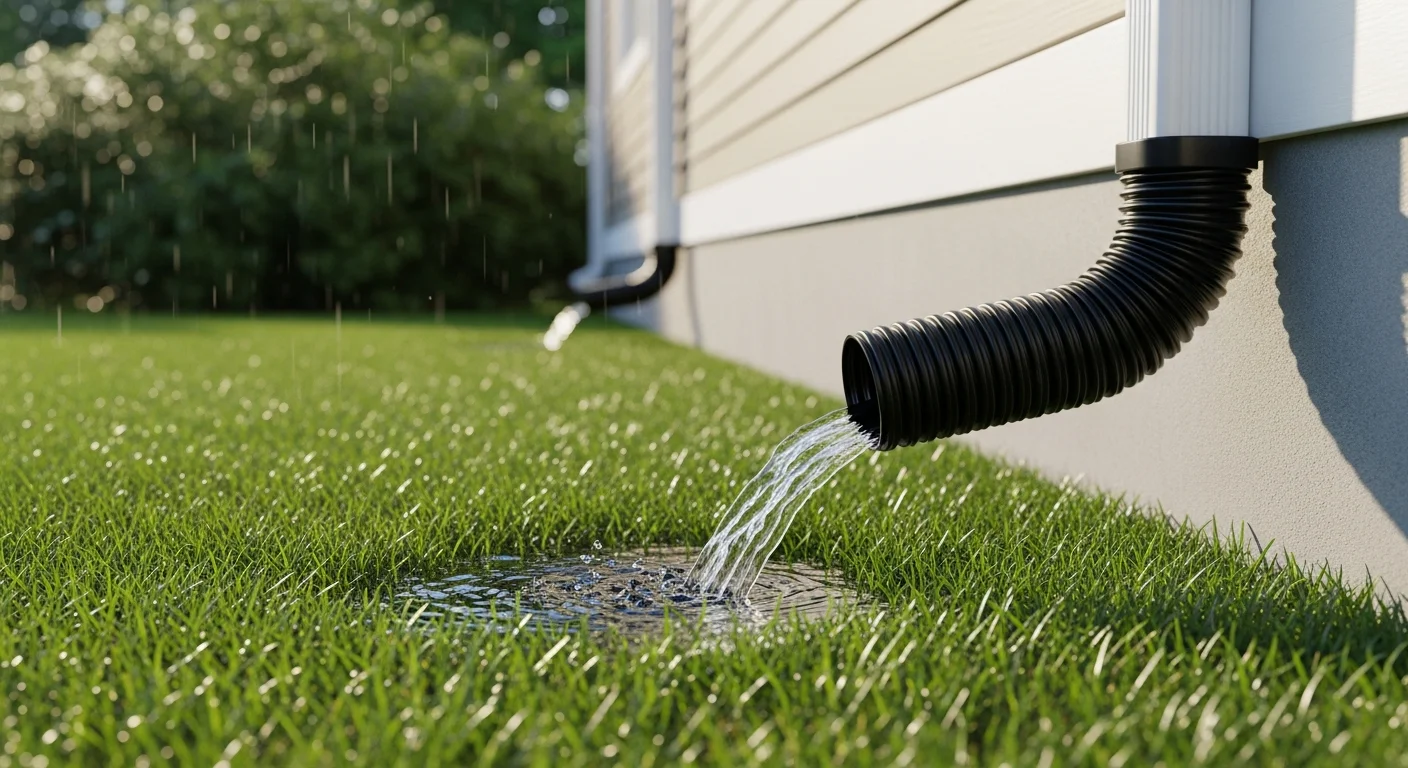
Your roof collects thousands of gallons of water during a storm. If your downspouts end right at the foundation corner, they are actively injecting water into your basement. Downspouts must be extended at least 5 to 6 feet away from the house, discharging onto a splash block or downward slope.
Internal Basement Triage
Before the rains come, walk through your basement and execute these preventative measures:
- Read the walls: Look for efflorescence (white powdery deposits on concrete). This is left behind when water seeps through the concrete and evaporates. It tells you exactly where water wants to enter.
- Get off the floor: Move family photos, important documents, and expensive electronics out of the basement entirely. Put storage boxes into plastic totes, and elevate them on shelving units or wooden pallets.
- Elevate appliances: If possible, ensure your washer, dryer, and water heater are elevated on concrete blocks or platforms. A mere two inches of water can destroy the internal computer boards on modern appliances.
Does Insurance Cover Spring Flooding?
Insurance coverage for basement water is notoriously confusing. Here is a simplified breakdown of what a standard homeowner's policy generally covers, though you should always verify with your agent.
| Water Source | Covered by Standard Policy? | What You Actually Need |
|---|---|---|
| Sudden Pipe Burst | Yes. Covered under standard hazard insurance. | Standard Homeowner's Policy. |
| Sump Pump Failure | No. Excluded from standard policies. | Requires a specific "Water Backup and Sump Overflow" endorsement rider. |
| Sewer Backup | No. Excluded from standard policies. | Included in the "Water Backup" endorsement mentioned above. |
| Surface Water / Groundwater (Rainwater seeping through walls/windows) | No. Considered a "flood" by the insurance industry. | Requires a separate NFIP Flood Insurance policy (which has a 30-day waiting period). |
If you wait until the rain starts to call your insurance agent, you are already too late.
Frequently Asked Questions
When is spring flooding most likely to occur?
Spring flooding risk peaks from March through May in most of the continental US. The combination of frozen ground (which cannot absorb water), rapid snowmelt, and heavy spring rain creates a scenario where massive amounts of surface water have nowhere to go but into your foundation.
What is the most effective way to prevent basement flooding?
Exterior grading and a reliable sump pump are tied for first place. Ensure the soil slopes away from your foundation (dropping 6 inches over 10 feet), extend your downspouts at least 6 feet from the house, and verify your sump pump has a working battery backup.
How much does it cost to waterproof a basement?
Costs vary wildly depending on the approach. Extending downspouts and adding topsoil for grading costs less than $200. Installing a high-end sump pump with battery backup runs $800–$1,500. Installing a full interior French drain system averages $4,000–$12,000, while full exterior excavation and waterproofing can exceed $20,000.
Can snowmelt cause basement flooding?
Yes. When large piles of snow melt directly against the foundation walls, the resulting water seeps down into the soil, drastically increasing hydrostatic pressure against the basement walls. Always shovel snow at least three to five feet away from the foundation and window wells as spring approaches.
Ready to connect with a certified professional? Find restoration services near you in our directory.