
How do you save water-damaged photos and documents? Time is critical. Wet paper grows mold within 24 to 48 hours. For photos stuck together, soak them in room-temperature distilled water until they slide apart — never pry them dry. For large quantities of documents, immediately seal them in plastic bags and put them in a freezer to halt mold growth until professional restoration (lyophilization) can be arranged.
Losing a sofa to a flooded basement is incredibly annoying. Losing three generations of family photo albums is devastating. Unlike drywall or electronics, family archives cannot be repurchased on Amazon.
When you pull a soggy cardboard box of memories out of the floodwater, your instinct will be to rip them apart and hit them with a hairdryer. Do not do this. Panic ruins more documents than the water itself. Based on archival science and emergency management protocols, here is exactly how to salvage the irreplaceable.
The 48-Hour Biological Clock
You are racing against biology. When paper gets wet, you have a very specific, unforgiving window before permanent loss occurs.
| Timeline | What Is Happening | Required Action |
|---|---|---|
| 0 – 24 Hours | Paper is saturated and fragile. Photographic emulsion softens. | Immediate triage. Begin air-drying small batches or freezing large batches. |
| 24 – 48 Hours | Microbial volatile organic compounds (mVOCs) release. Mold begins to germinate. | The absolute deadline for freezing items to halt biological growth. |
| 48+ Hours | Visible mold colonies form. Stuck photos bind permanently. | Damage is often irreversible. Professional conservator required. |
How to Save Wet Photographs
Modern photographic prints (post-1970s) are surprisingly water-resistant if handled correctly. The greatest danger is when wet photos dry while stuck together, creating a permanent brick of paper and emulsion.
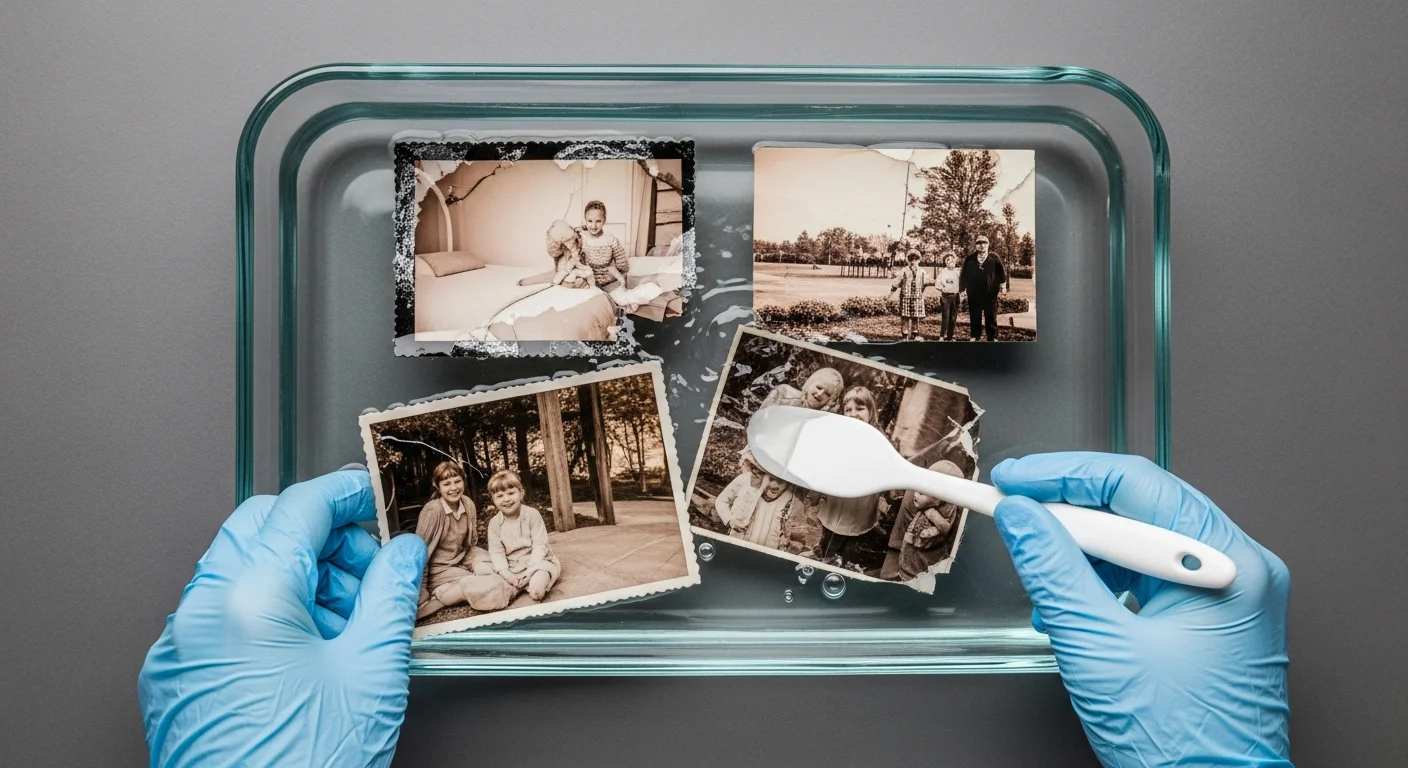
If Photos Are Stuck Together: The Soak Method
It feels counterintuitive to put wet photos back into water, but it is the only way to save them.
- Do not force them. Never pry, peel, or pull stuck photos apart. You will rip the image right off the paper.
- Prepare a bath. Fill a clean container with room-temperature distilled water (tap water contains minerals and chlorine that can damage the emulsion).
- Submerge the photos. Let them soak for 15 to 30 minutes. The water will gently soften the gelatin binding them together.
- Separate gently. While still underwater, use a thin silicone spatula or a soft brush to gently coax them apart starting from the corners. If they resist, let them soak longer.
Drying Photographs
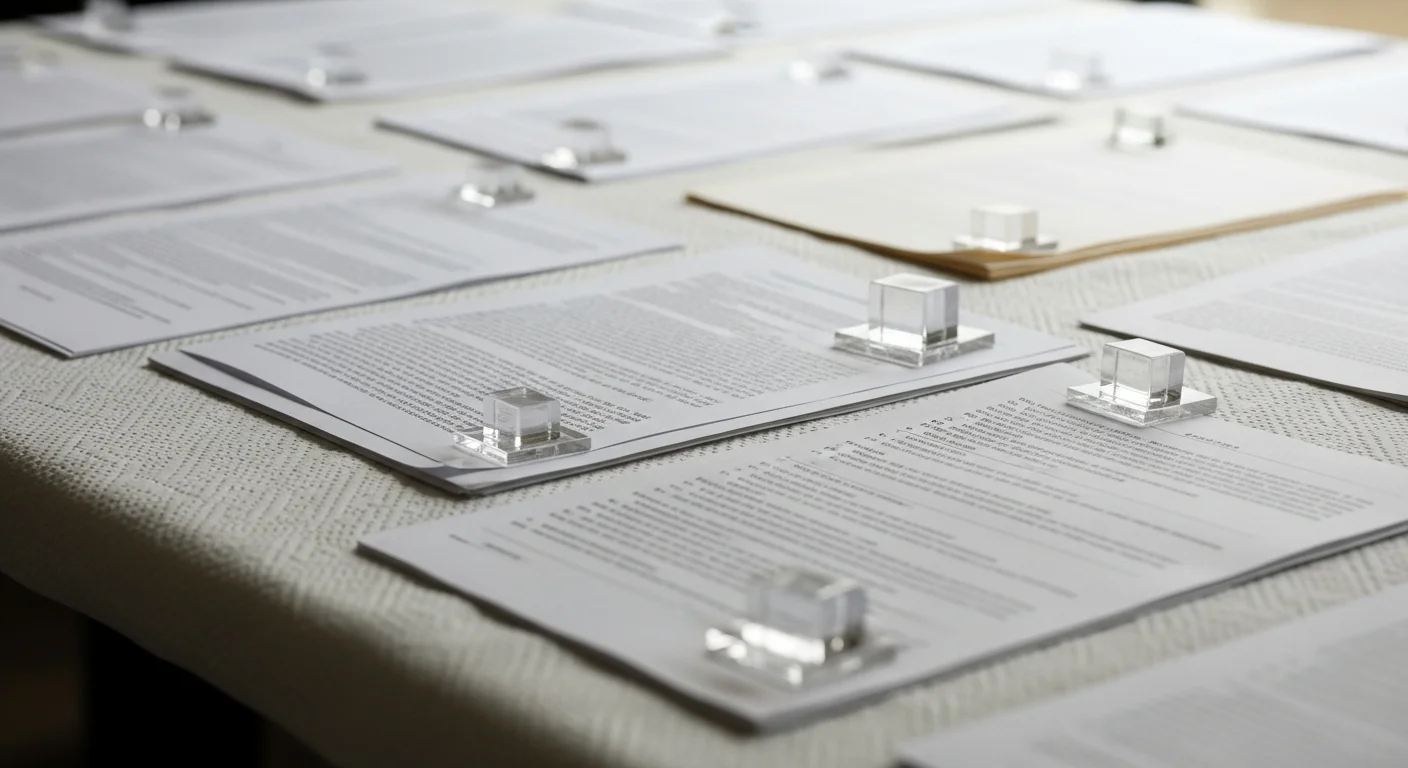
Once separated (or if they were just wet individually), lay them face-up on a clean, absorbent surface like white paper towels or blotting paper. Do not use newspaper; the ink will transfer. Keep them flat in a single layer.
Do not use hairdryers, ovens, or direct sunlight. Heat melts the emulsion and warps the paper. Just use a room fan to keep the air moving (aimed near them, not directly at them).
How to Save Paper Documents
Wet paper has almost zero structural integrity. It will tear under its own weight if you try to lift it by a corner.
Triage Matrix: Dry vs. Freeze
Your strategy depends entirely on how many documents you have.
| Scenario | The Strategy | How to Execute |
|---|---|---|
| Small Quantity (A few birth certificates, tax returns) | Air Dry | Lay flat on absorbent paper towels. Change the towels when they get saturated. Place a light weight (like a book wrapped in wax paper) on top when they are 80% dry to prevent curling. |
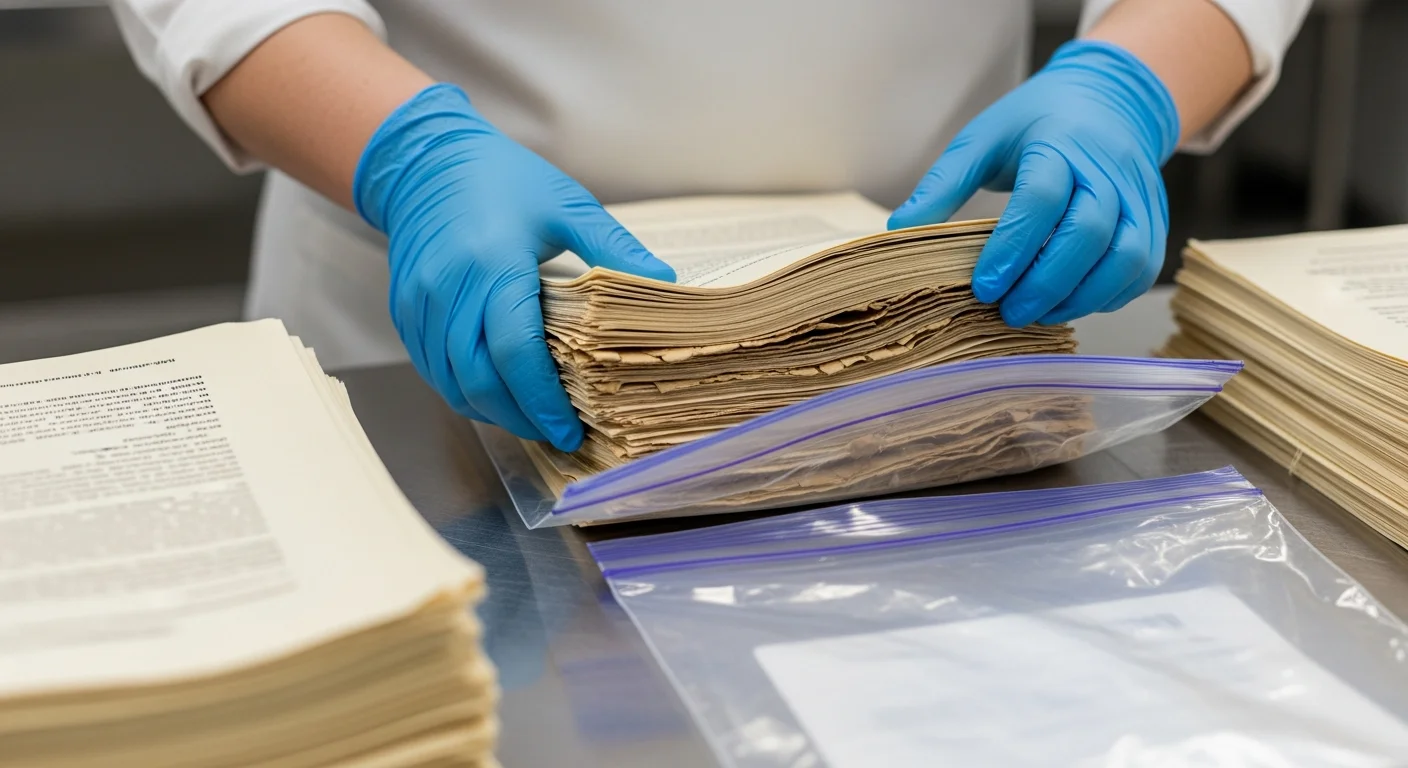
| Large Quantity (Filing cabinets, boxes of journals) | Emergency Freeze | Place the wet documents directly into clear plastic Ziploc bags. Do not try to unfold or separate them. Put them immediately in a freezer. |
| Coated/Glossy Paper (Magazines, glossy forms) | Discard (usually) | Glossy paper binds instantly when wet. Unless it is critically important, it is rarely salvageable once it starts to dry. |
Why Freezing Works (and What Happens Next)
If you have hundreds of documents, you cannot physically air-dry them all before mold sets in at the 48-hour mark. Freezing them hits the pause button. It halts mold growth, stops ink from bleeding further, and prevents the paper from fusing together.
Once frozen, major archives and restoration companies use a process called lyophilization (freeze-drying). They place the frozen documents in a vacuum chamber and slowly apply heat. The solid ice turns directly into a gas (sublimation) without ever turning back into a liquid. This removes the water while perfectly preserving the document's structure.
The "Do Not Touch" List
If your items fall into these categories, seal them in plastic, keep them cool, and call a professional conservator immediately:
- Pre-1970s photographs: Antique photos, tintypes, and old negatives are incredibly fragile and will dissolve if handled improperly.
- Sewage contamination: If the documents were submerged in Category 3 black water (sewage or floodwaters), the health hazard of handling them outweighs the DIY salvage potential.
- Thermal paper: Receipts are printed on thermal paper. The chemicals react to water and the ink usually fades irreversibly.
Frequently Asked Questions
Can you unstick water-damaged photos?
Yes, but you must use water, not force. Submerge the stuck photos in a tray of room-temperature distilled water for 15 to 30 minutes. The water will soften the emulsion holding them together. Gently separate them underwater using a silicone spatula or your fingers. Never attempt to peel them apart while they are dry.
Should I freeze water-damaged documents?
Yes, freezing is the standard emergency triage method for large quantities of wet documents. If you have too many documents to air-dry within 48 hours, placing them in sealed plastic bags and freezing them halts mold growth and ink bleeding. This buys you time to arrange professional freeze-drying (lyophilization) services.
How do I dry a wet book?
If the book is just damp, stand it upright and fan the pages open in a room with good air circulation. If the book is soaked, place absorbent paper towels between every 20-30 pages (change them frequently). If you have multiple soaked books, place them in plastic bags and freeze them immediately to prevent mold and page-warping.
Does homeowners insurance cover photo restoration?
Personal property coverage generally applies to documents and photographs, but typically only at the "replacement cost" (the cost of the paper and ink). Original, irreplaceable prints may require a specific appraisal-based rider. Professional document restoration (freeze-drying) for critical legal or financial documents is often covered under the mitigation portion of a claim.
Ready to connect with a certified professional? Find restoration services near you in our directory.