
How much does it cost to repair a house after storm damage? The national average for storm damage repair is $12,300, with most homeowners spending between $2,600 and $22,000. Minor roof repairs cost $300 to $1,500, while severe structural or interior water damage can easily exceed $60,000. Your actual out-of-pocket cost depends almost entirely on your insurance deductible structure.
When the winds finally die down and you walk outside to survey the damage, the first question is always the same: "How much is this going to cost me?" It is a terrible feeling, compounded by the fact that getting a straight answer from contractors immediately after a regional storm is nearly impossible.
Storm restoration isn't a single trade; it's a combination of roofing, siding, water mitigation, and structural carpentry. Because of this, the pricing varies wildly based on exactly what the wind decided to break. Here is a realistic breakdown of what those repairs cost in 2026, and the hidden insurance trap you need to watch out for.
Cost Breakdown by Damage Type
Most major storm repairs are ultimately billed to an insurance company, which means pricing is heavily standardized by industry estimating software (like Xactimate). Here is what those standardized costs look like across the board.
Roof Damage
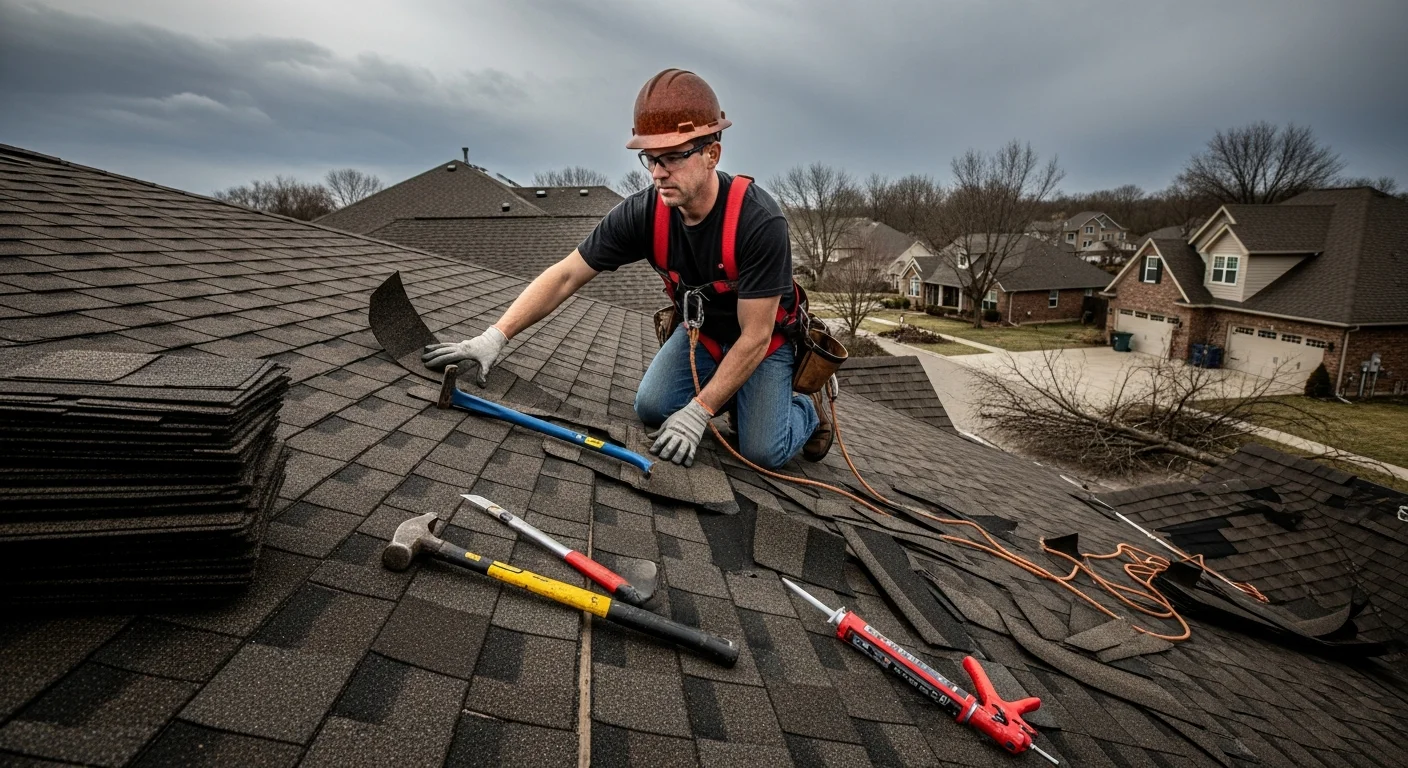
The roof takes the brunt of any severe weather event. Roofing contractors usually charge between $50 and $150 per hour for labor, plus materials.
| Roof Damage Type | Average Cost Range | What It Includes |
|---|---|---|
| Minor Repair | $300 – $1,500 | Replacing a few blown-off shingles or repairing minor flashing leaks. |
| Moderate Repair | $1,500 – $7,000 | Replacing an entire slope (one side) of the roof or repairing a minor tree impact. |
| Full Replacement (Asphalt) | $8,000 – $25,000 | Complete tear-off, new underlayment, and new architectural shingles. |
| Emergency Tarping | $400 – $1,500 | Immediate professional deployment of tarps to prevent secondary water damage. |
Siding and Exterior Damage
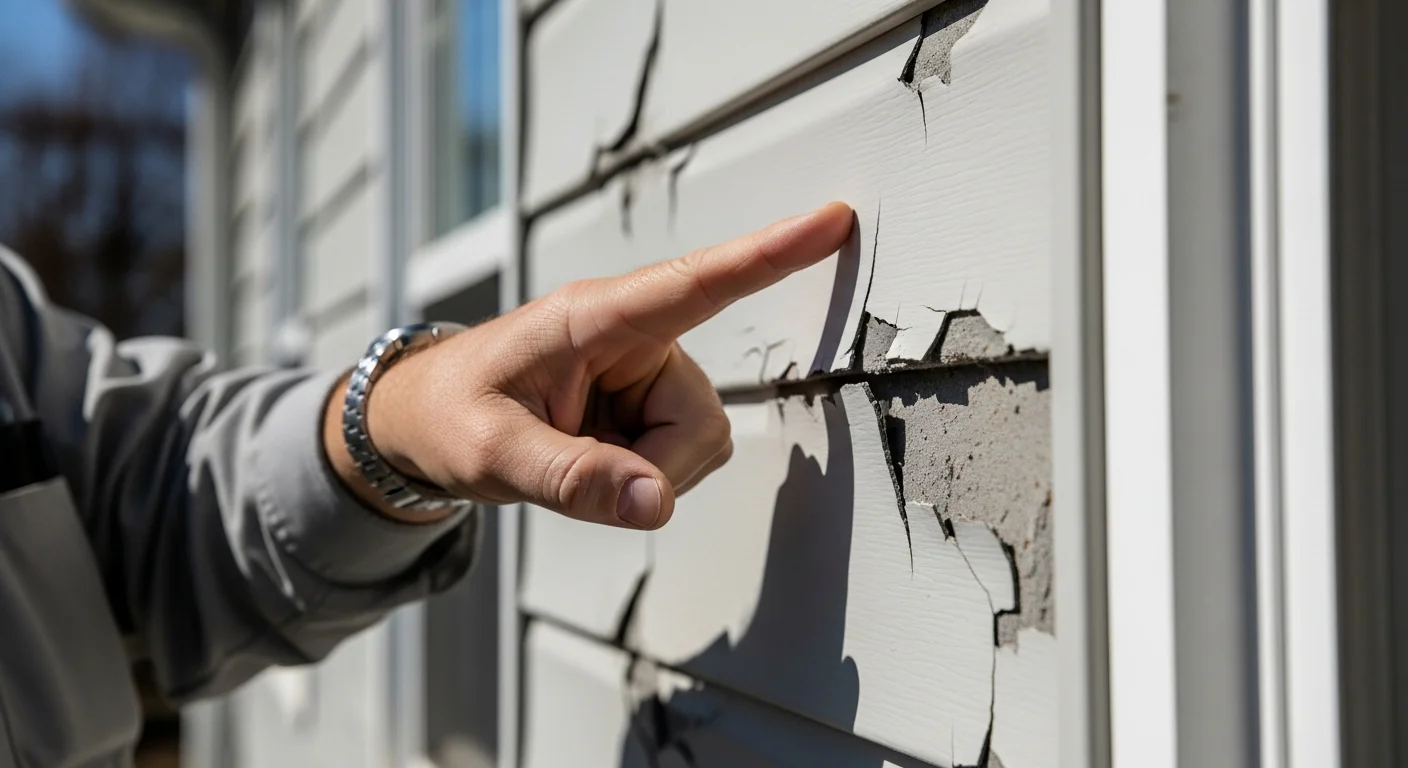
Wind and hail frequently destroy exterior siding. The challenge here is color matching; the sun fades vinyl siding over time, meaning replacing a small section often leaves an obvious, ugly patch. (In many states, insurance is required to pay for replacing the entire wall, or "elevation," if a reasonable match cannot be found).
- Vinyl Siding: $3 – $8 per square foot installed.
- Fiber Cement (Hardie Board): $8 – $16 per square foot installed.
- Window Replacement: $500 – $1,200 per standard window (impact-rated hurricane windows run $1,500 to $4,000 each).
- Emergency Board-Up: $100 – $300 per opening to secure broken windows immediately.
Interior Water Damage
When the roof or windows fail during a storm, the rain pours inside. Water damage restoration is billed in two distinct phases: Mitigation (stopping the damage) and Reconstruction (putting it back together).
| Phase | Cost Range | What Happens |
|---|---|---|
| Mitigation | $3.00 – $7.50 / sq ft | Water extraction, tearing out wet drywall, and running industrial dehumidifiers for 3-5 days. |
| Reconstruction | $20.00 – $37.00 / sq ft | Installing new insulation, hanging drywall, painting, and laying new flooring. |
| Mold Remediation | $1,000 – $3,500+ | Required only if the water sat for more than 48 hours before mitigation began. |
The Insurance Trap: Percentage-Based Deductibles
Standard homeowner's insurance covers wind, hail, and falling trees. However, if you live in a region prone to severe weather (like the Gulf Coast for hurricanes, or the Midwest for hail), you likely have a "percentage-based deductible" specifically for wind and hail events.
This is where homeowners get shocked.
Instead of a standard flat-dollar deductible (like $1,000), a percentage-based deductible is calculated against your home's total insured value (Coverage A). These are typically 1%, 2%, or 5%.
The Math: If your home is insured for $400,000 and you have a 2% wind/hail deductible, you are responsible for the first $8,000 of repairs out of your own pocket. If the total roof replacement costs $15,000, the insurance company will only cut you a check for $7,000.
If you only sustained $5,000 worth of damage (a few broken windows and some siding), and your deductible is $8,000, the insurance company pays nothing. In this scenario, filing a claim only puts a negative mark on your insurance history without yielding any financial benefit.

How to Maximize Your Storm Settlement
To ensure you aren't left holding the bag for repairs the insurance company should have covered, follow these three rules:
- Act immediately. Insurance covers sudden storm damage, but it does not cover secondary damage caused by your failure to act. If a tree breaks your window and you wait three weeks to board it up, the insurance company will deny coverage for the rain that ruined your hardwood floors in week two.
- Get independent estimates. Do not rely solely on the insurance adjuster's estimate. Have a licensed restoration contractor scope the damage independently. If the adjuster says repairs will cost $10,000 but your contractor proves they will cost $18,000, they can negotiate on your behalf.
- File for Recoverable Depreciation. If you have a Replacement Cost Value (RCV) policy, the insurer initially withholds a portion of the payout (depreciation) until the repairs are actually finished. You must submit the final contractor invoices to trigger the release of those final funds. Millions of dollars are left on the table every year because homeowners forget this final step.
Frequently Asked Questions
What is the average cost of storm damage repair?
The national average for storm damage repair is approximately $12,300, though typical projects range from $2,600 to $22,000. Costs are highly dependent on the type of damage: minor roof repairs may cost $500, while repairing structural damage from a fallen tree alongside interior water damage can exceed $50,000.
Does homeowners insurance cover storm damage?
Yes. Damage from wind, hail, lightning, and falling trees is covered under the "perils" section of standard homeowners insurance. However, flood damage (water rising from the ground, such as storm surge or river flooding) is strictly excluded and requires a separate National Flood Insurance Program (NFIP) policy.
How long does storm damage repair take?
Following a major regional storm, expect delays. While a contractor can usually apply emergency tarping within 24–48 hours, permanent repairs take much longer. Minor siding or roof repairs typically take 1–2 weeks. Full roof replacements take 2–4 weeks to schedule. Extensive structural or interior water damage reconstruction can take 8–16 weeks due to local contractor backlogs.
Should I use a "storm chaser" contractor?
No. After a major storm, out-of-state contractors ("storm chasers") will knock on doors offering quick repairs. They often require large upfront deposits, perform substandard work to maximize profit margins, and leave the state before their warranties can be enforced. Always hire an established, local restoration contractor with a physical office in your area.
Ready to connect with a certified professional? Find restoration services near you in our directory.