
What is Additional Living Expenses (ALE) coverage? ALE — also called Loss of Use or Coverage D — is the part of your homeowners insurance that pays for temporary housing, meals, and other increased costs when a covered loss makes your home uninhabitable. It covers the difference between your normal daily expenses and your displaced living costs.
Nobody plans for the night they discover their living room has become a swimming pool and the insurance company is paying for a hotel. But when your house is full of industrial fans, exposed drywall, and the kind of noise that makes a jackhammer sound like a lullaby, you can't exactly sleep there. (Well, you could. But your back would file a separate insurance claim.)
ALE is one of the most valuable — and most underused — parts of a homeowners policy. Most people don't ask about it when they file a claim, and some adjusters don't volunteer the information. Which means a lot of homeowners are paying out of pocket for hotel rooms they're already covered for. If The Office taught us anything, it's that you should always read the fine print before you end up sleeping under your desk.
What ALE Coverage Actually Pays For
ALE covers the increased cost of living that results from being displaced — not the total cost of temporary living. That distinction matters. Your insurer is covering the gap between what you'd normally spend and what displacement forces you to spend.
Covered expenses typically include:
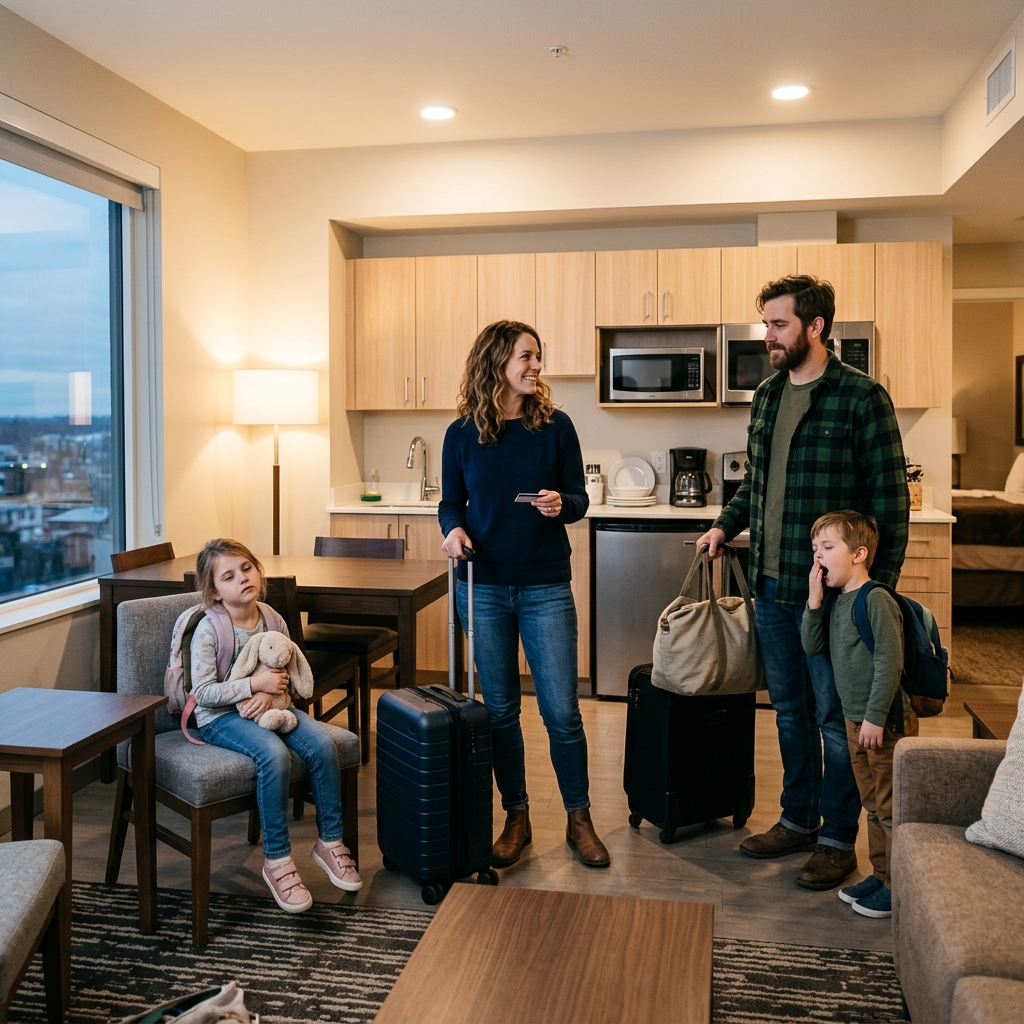
- Temporary housing: Hotel stays, extended-stay accommodations, short-term furnished apartments, or corporate housing
- Increased meal costs: The extra money you spend eating out because you no longer have a kitchen — not your entire food budget, just the amount above your normal grocery spending
- Laundry: Laundromat costs if your washer and dryer are inaccessible
- Storage: Secure storage for belongings removed from the damaged home
- Pet boarding: If temporary housing doesn't allow your animals (the dog is family, and the insurer knows it)
- Moving costs: Reasonable expenses to relocate from the damaged home to temporary housing
- Additional transportation: Extra commuting mileage if temporary housing puts you further from work or school
ALE Coverage Limits (The Two Ceilings You Need to Know)
ALE has two limits that run simultaneously. Whichever you hit first ends the coverage:
| Limit Type | Typical Range | Example ($300K Dwelling) |
|---|---|---|
| Dollar limit | 20–30% of dwelling coverage | $60,000–$90,000 |
| Time limit | 12–24 months | 12–24 months |
For a home with $250,000 in dwelling coverage, ALE limits commonly fall between $50,000 and $75,000. That sounds generous until you do the maths: a decent extended-stay hotel at $150/night burns through $4,500 per month. Add meals, storage, and pet boarding, and a 6-month displacement can push $40,000 easily.
In high-cost housing markets — looking at you, New York, San Francisco, and Miami — the dollar limit can run out well before your home is ready. If your restoration timeline is looking lengthy, ask your insurer early about extension options. Some policies offer them. Some don't. Better to know before the money runs out, not after. (That's advice for insurance and for petrol. Both sting equally.)
When ALE Applies — and When It Doesn't
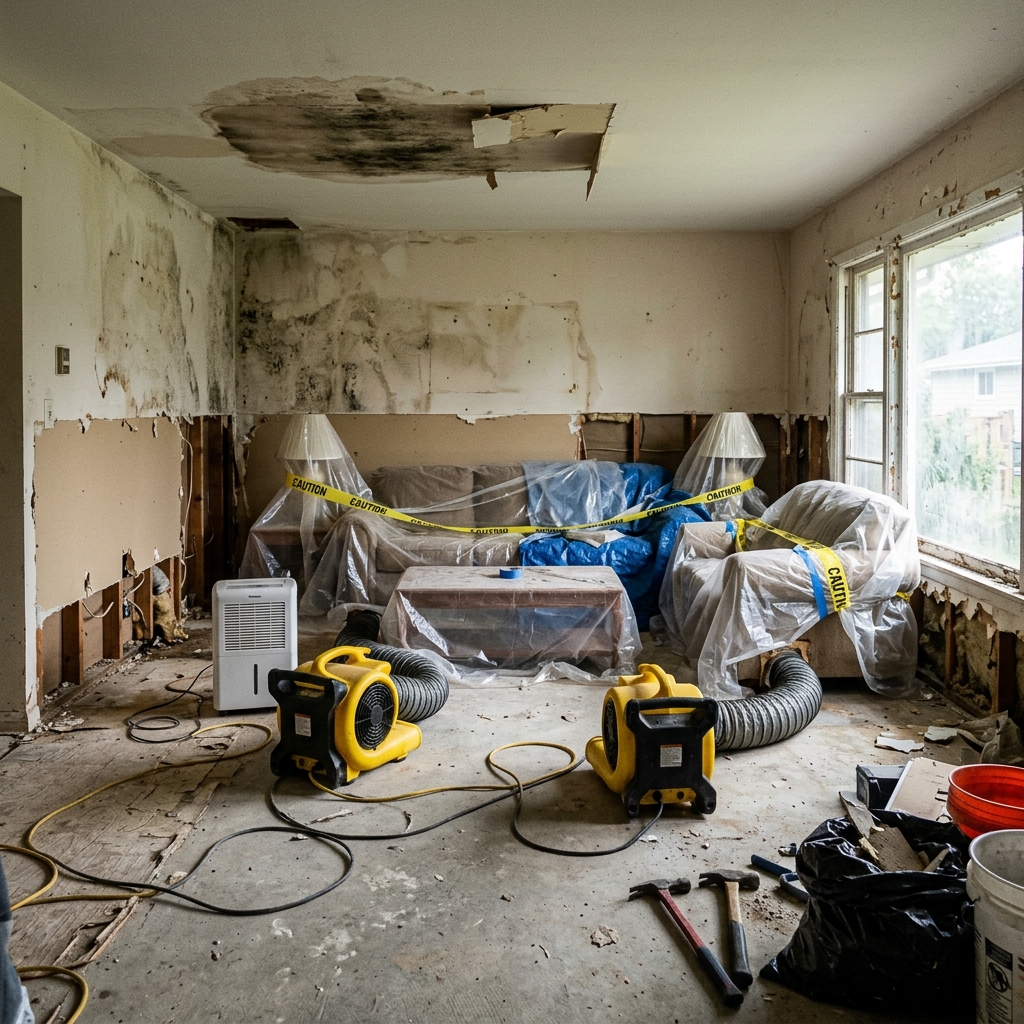
ALE kicks in when your home is uninhabitable due to a covered loss. "Uninhabitable" means the home is not safe or livable — not merely inconvenient or slightly annoying during repairs.
- Likely triggers ALE: Structural damage, loss of functional kitchen or bathroom, sewage contamination throughout the home, electrical hazards from water exposure, loss of heating in cold weather
- May or may not trigger ALE: Water damage limited to one room while other areas remain fully functional — depends on whether "reasonable living" is possible
- Unlikely to trigger ALE: Minor repairs that cause inconvenience but allow normal habitation; cosmetic damage only
The critical word is "covered." If the underlying water damage isn't covered by your policy — standard homeowners insurance typically does not cover rising flood water — then ALE won't apply to that event either. Flood insurance through NFIP has its own separate displacement provisions, and they work differently.
If you're unsure whether your situation qualifies, ask your restoration contractor for a written habitability assessment. That document is worth its weight in claim approvals.
How to Document ALE Expenses (The Receipt Shoebox Method Won't Cut It)
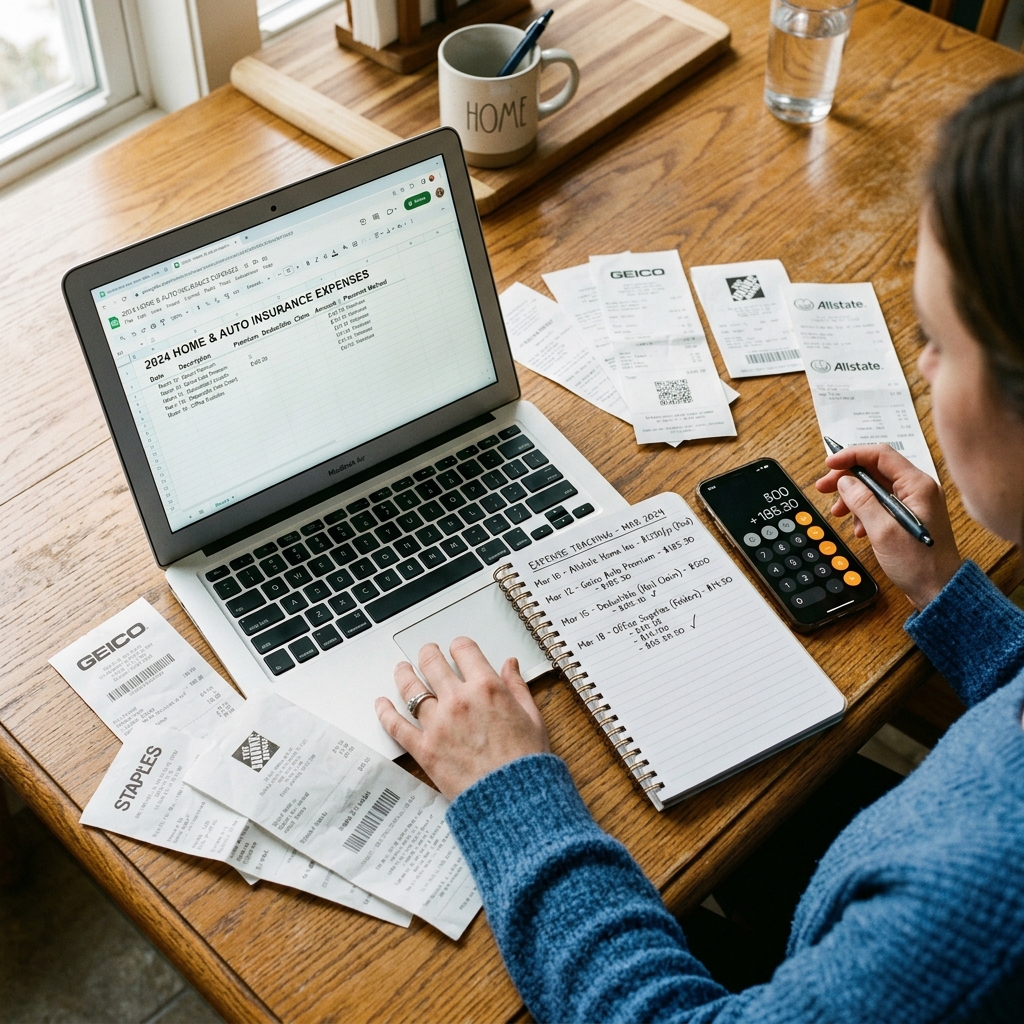
Your insurer reimburses ALE expenses — they don't write a blank cheque upfront. That means documentation is everything. Here is the system that works:
- Start tracking from night one. The clock starts the first evening you can't sleep in your home. Don't wait for the adjuster to tell you to start.
- Save every receipt: Hotel confirmations, restaurant receipts, grocery receipts, laundromat receipts, storage rental agreements, gas receipts for extra commuting.
- Document your normal pre-loss expenses: Pull up your bank statements. Your monthly grocery bill, utility costs, and fuel spending establish the baseline. ALE pays the increase — so you need to prove what "normal" looked like.
- Keep a displacement log: Date, where you stayed, why you couldn't return home. Simple spreadsheet. Your adjuster will love you for it. (That may be the only time anyone has loved a spreadsheet, but here we are.)
- Track mileage: If temporary housing adds 20 miles to your daily commute, that's a reimbursable expense at the IRS standard mileage rate.
Choosing Temporary Housing (Without Getting Your Claim Denied)
ALE covers "reasonable" temporary housing — comparable to your normal standard of living. Your insurer isn't going to fund a penthouse suite because your studio apartment flooded. Equally, they can't force you into a motel that would make a Shawshank cell look inviting.
Here are the practical guidelines:
- Extended-stay hotels in your area are almost always considered reasonable and get approved easily.
- Furnished apartments or corporate housing are typically more cost-effective for displacements longer than 2–3 weeks. Many insurers actively prefer this option because it lowers the total claim cost.
- Staying with family is allowed, but you may still be entitled to ALE for increased costs that arrangement creates (extra groceries, utility increases at their home, etc.).
- Discuss housing choices with your adjuster before committing to a long-term rental. Pre-approval isn't required for most expenses, but a quick confirmation call prevents surprises at reimbursement time.
Common Mistakes That Shrink Your ALE Payout
These are the errors that leave money on the table:
- Not asking about ALE at all. Many homeowners file a water damage claim without ever mentioning temporary living costs. Some adjusters won't bring it up. You need to ask: "Does my situation qualify for Additional Living Expenses coverage?"
- Failing to document normal expenses. Without a baseline, your insurer can argue your "increased" costs aren't actually increased. Pull three months of bank statements before you file.
- Returning home too early. If your contractor says the house needs another week of drying, staying in the house doesn't save your insurer money — it risks your health and could void your coverage if mold develops. Stay out until the restoration company issues a clearance.
- Throwing away receipts. Digital or physical, every receipt matters. No receipt, no reimbursement. This is the one time in your life where being a receipt hoarder is a virtue.
- Not tracking pet costs. Pet boarding, pet-friendly hotel surcharges, and emergency vet visits caused by displacement stress are all potentially covered. People forget to claim them.
Frequently Asked Questions
What does Additional Living Expenses insurance cover?
ALE covers the increased cost of living when you're displaced from your home due to a covered loss. This includes temporary housing (hotels, furnished apartments), meals above your normal food budget, laundry costs, storage for belongings, pet boarding, and additional transportation expenses. It covers the difference between your displaced costs and your normal expenses — not the total cost of temporary living.
How long does ALE coverage last?
ALE coverage lasts until your home is repaired and habitable, or until you reach the policy's coverage limit — whichever comes first. Most policies include both a time limit (typically 12–24 months) and a dollar limit (usually 20–30% of dwelling coverage). For a $300,000 dwelling coverage policy, ALE limits of $60,000–$90,000 are common.
Does ALE cover water damage specifically?
ALE applies to any covered peril that makes your home uninhabitable, including water damage from burst pipes, plumbing failures, and appliance leaks. However, standard homeowners insurance typically does not cover damage from rising flood water — that requires separate flood insurance. If the underlying water damage isn't covered by your policy, ALE won't apply to that event.
Do I need to get pre-approval for ALE expenses?
Pre-approval isn't required for most ALE expenses, but you should notify your insurer immediately when you need to relocate and keep detailed records of every cost. For major expenses like signing a multi-month rental lease, a quick call to your adjuster for confirmation is strongly recommended to avoid potential reimbursement issues later.
Can I stay with family and still claim ALE?
Yes. If you stay with family or friends, you may still be entitled to ALE for the increased costs that arrangement creates — such as additional groceries, higher utility bills at their home, and any other expenses above what you'd normally incur. Document these costs just as carefully as you would hotel receipts.
If your house is currently uninhabitable and you're reading this from a hotel room that smells like chlorine and regret, call your insurer about ALE before you check out. Your policy probably owes you more than you think — and unlike the hotel breakfast, it doesn't expire at 9 AM.