
How much does biohazard cleanup cost? Most residential biohazard cleanup jobs cost between $1,500 and $5,000. Sewage backups run $3,000–$15,000, trauma scene cleanup ranges from $3,000–$25,000+, and hoarding remediation can reach $25,000 depending on volume. Costs reflect specialised PPE, hospital-grade disinfectants, regulated waste disposal, and clearance testing.
Nobody wakes up and thinks, "Today seems like a good day to google biohazard cleanup prices." If you're here, something genuinely unpleasant has happened, and I'm sorry about that. The good news — if we can call it that — is that this is fixable, it's manageable, and you are not the first person to stare at their basement and wonder whether it's legally possible to just sell the house instead. (It isn't. Not without disclosing the issue anyway.)
Biohazard remediation is not regular cleaning with better gloves. It's a regulated process with specific protocols, and the pricing reflects that. Let's walk through what each scenario actually costs, what drives those numbers, and how to avoid paying more than you should.
Biohazard Cleanup Cost by Scenario
Every biohazard situation is different, but here's what homeowners are typically paying in 2026:
| Scenario | Typical Cost Range | Timeline |
|---|---|---|
| Sewage backup (single room) | $1,500–$5,000 | 2–4 days |
| Sewage backup (basement/multi-room) | $3,500–$15,000 | 3–7 days |
| Unattended death / decomposition | $4,000–$10,000+ | 3–5 days |
| Crime scene / trauma cleanup | $5,000–$15,000+ | 2–5 days |
| Hoarding remediation | $1,000–$25,000 | 1–5 days |
| Rodent infestation cleanup | $500–$5,000 | 1–3 days |
| Chemical contamination (household) | $2,000–$10,000+ | Variable |
The wide ranges reflect the single biggest cost driver in biohazard work: how deep the contamination goes. Surface contamination on tile is a very different job than contamination that has soaked through carpet padding, into subfloor, and down into a concrete slab. One is a cleaning job. The other is a demolition-and-rebuild job. The price difference is exactly as dramatic as that sounds.
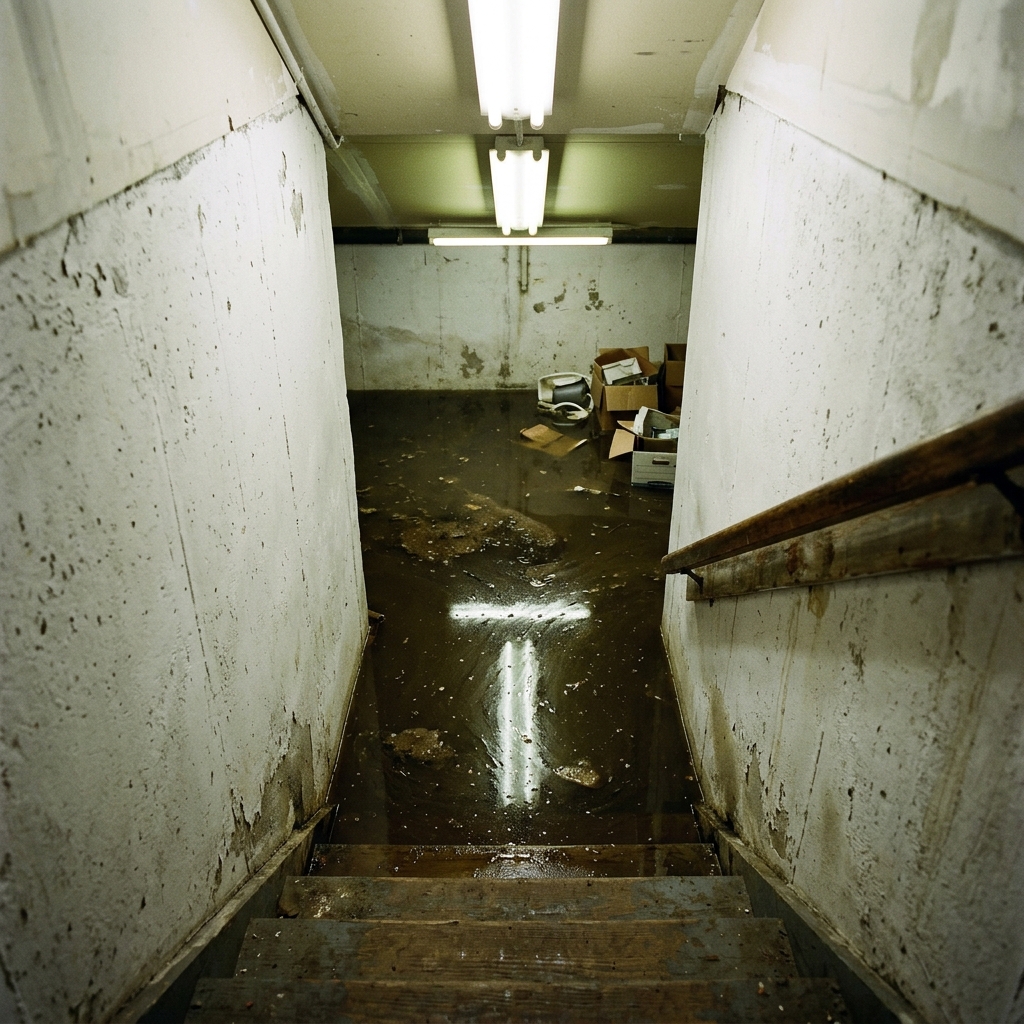
Sewage Backup: The Most Common (and Most Aromatic) Biohazard
Sewage backup is the biohazard event most homeowners will encounter. Raw sewage — classified as Category 3 water in the restoration industry — contains pathogenic bacteria including E. coli and Salmonella, viruses, parasites, and a smell that would make a dumpster blush.
Every porous material that contacts Category 3 water must be treated as biohazardous waste and removed. That means carpet, padding, lower drywall sections, baseboards, and any contaminated insulation all go into sealed biohazard bags. There is no "let it dry and see" with sewage. (I've had homeowners suggest this. I've politely declined every time. And by "politely" I mean I showed them what grows under wet carpet after 72 hours.)
The cost difference between sewage cleanup and standard water damage reflects the additional requirements:
- Specialised PPE for every technician (Tyvek suits, face shields, respirators)
- Hospital-grade EPA-registered disinfectants
- Air monitoring pre- and post-remediation
- Sealed biohazard waste bags and regulated transport
- Disposal at approved treatment facilities — not standard landfills
Insurance note: Sewage backup coverage requires a specific endorsement on your homeowners policy — a water backup or sewer backup rider. Without this endorsement, the full cost falls on you. These riders typically cost $50–$200 per year and are among the most valuable coverage additions in existence. If you don't have one, call your agent tomorrow. Actually, call them today.
What's Actually Included in the Price
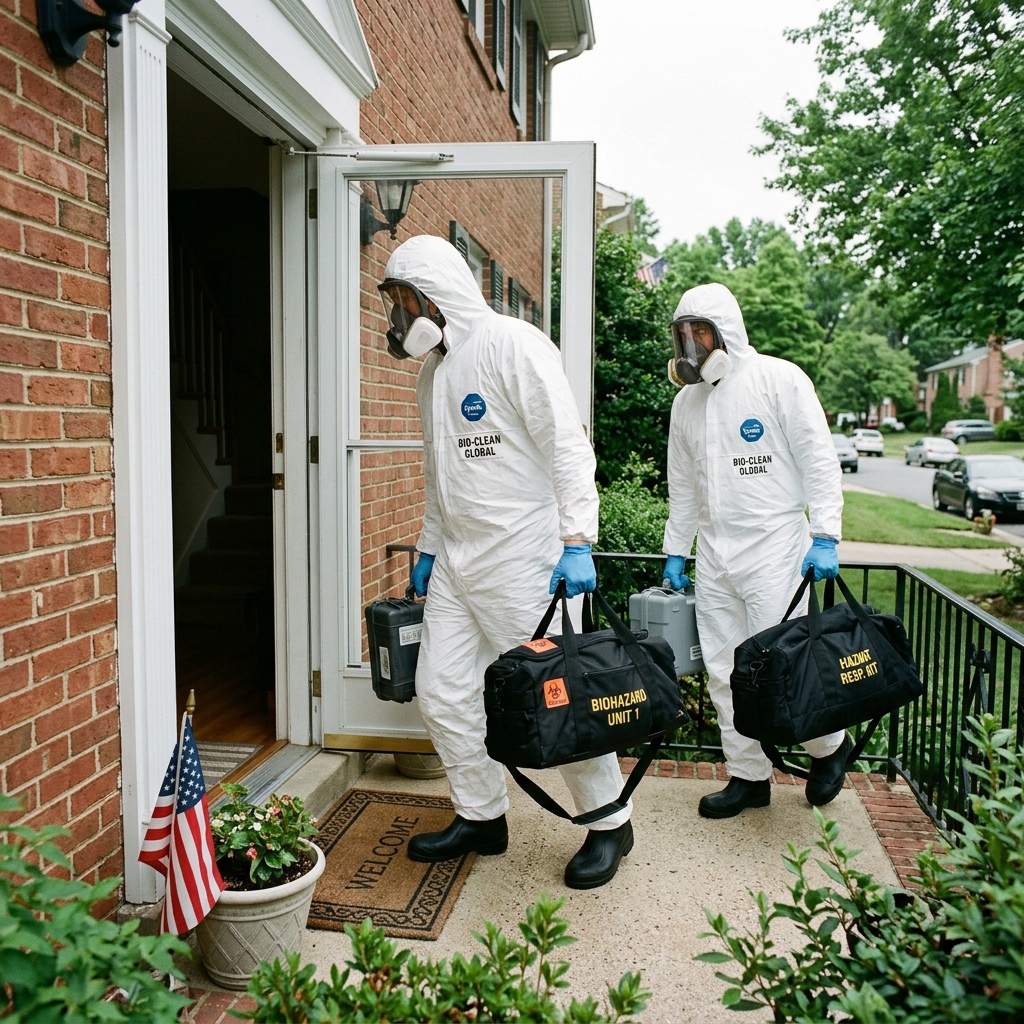
Biohazard remediation pricing includes costs that don't exist in standard restoration work. When a company quotes you $5,000 for a sewage cleanup, here is where that money goes:
- Personal protective equipment (PPE): Single-use Tyvek suits, nitrile gloves, respirators, face shields, and boot covers — for every technician, on every entry. These are consumable costs billed into the job. A crew of three goes through $200–$400 in PPE per day.
- Specialised disinfectants: Hospital-grade, EPA-registered products with documented efficacy against the specific pathogen categories present. These are not available at the hardware store and cost considerably more than retail cleaners.
- Air monitoring: Pre- and post-remediation air quality testing for airborne pathogens or chemical compounds. This is your verification that the job is actually done, not just visually clean.
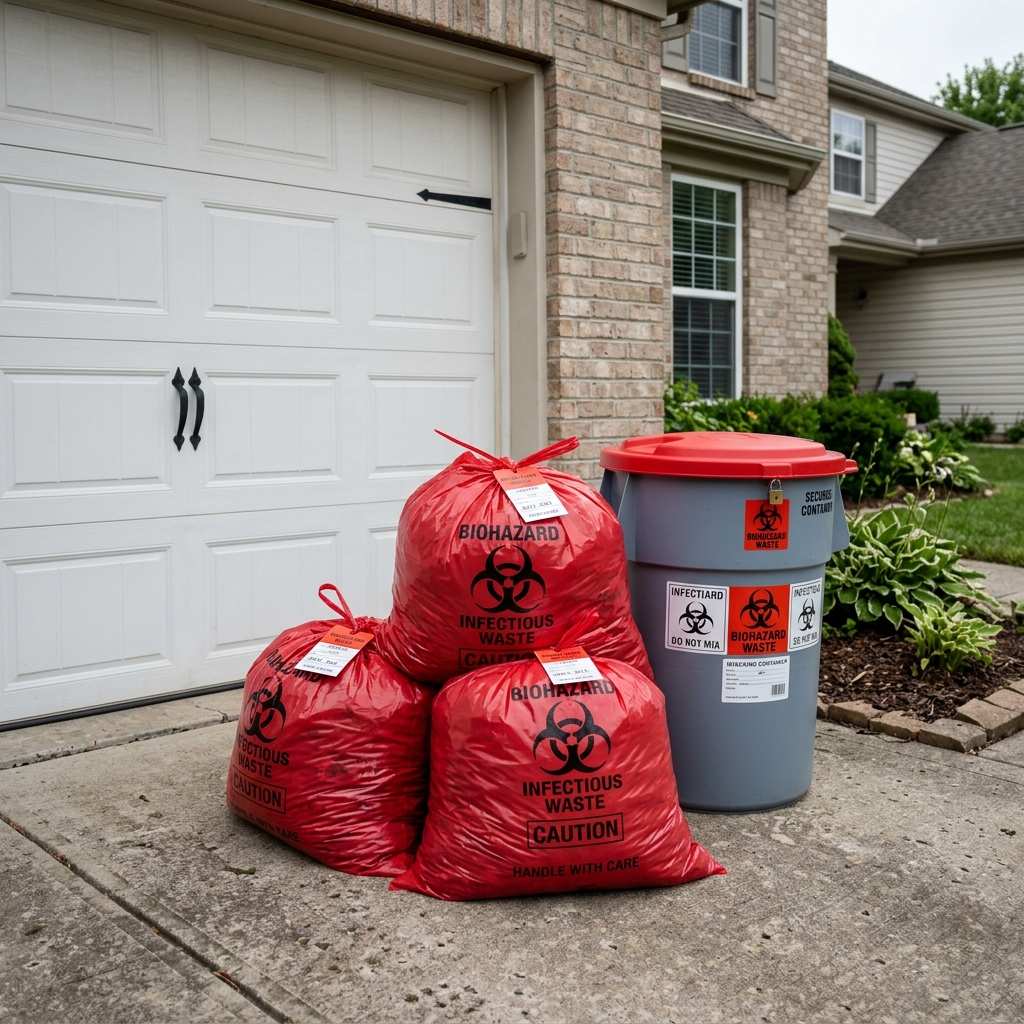
- Biohazard waste disposal: Regulated waste must be transported in sealed, labelled containers to approved treatment facilities. This is a separate line item — and in some regions, disposal fees alone run $300–$800 per job.
- Specialised liability insurance: Biohazard companies carry significantly higher liability coverage than standard contractors. That additional coverage cost is baked into their pricing.
- Labour rates: Biohazard technicians typically bill at $75–$250 per hour per person, reflecting their OSHA training, risk exposure, and certification requirements.
If a company quotes you dramatically less than the ranges above, ask how they're disposing of waste. If the answer involves a regular dumpster, that's your cue to find a different company. (That's not a cost saving. That's a future EPA visit waiting to happen.)
Cost Factors: Why Your Quote Might Be Higher (or Lower)
Within each scenario, several factors push the price up or pull it down:
- Surface porosity: Contamination on tile or concrete is cheaper to remediate than contamination that's soaked into carpet, wood subfloor, or unsealed concrete. Porous materials absorb contaminants and typically must be removed entirely.
- Contamination depth: Surface-level contamination is one job. Contamination that's penetrated through flooring into a slab or crawlspace is a fundamentally different (and more expensive) scope.
- Area size: Square footage directly impacts labour hours, material removal volume, and disposal costs.
- Structural damage: If contamination has caused or coincided with structural damage (saturated framing, compromised subfloor), reconstruction costs are added to the remediation bill.
- Emergency response: After-hours or weekend dispatch typically adds a $150–$400 emergency surcharge.
- Geographic location: Disposal facility fees and labour rates vary significantly by region. Urban areas with nearby treatment facilities tend to have lower disposal costs.
Does Insurance Cover Biohazard Cleanup?
The answer is "it depends" — which is the insurance industry's favourite phrase, right behind "your call is important to us."
Here's the breakdown by scenario:
| Scenario | Typically Covered? | Requirements |
|---|---|---|
| Sewage backup | Only with endorsement | Water backup / sewer backup rider required |
| Crime scene / trauma | Often yes | Usually covered under dwelling protection for covered perils |
| Unattended death | Case by case | May be covered; depends on policy language and circumstances |
| Hoarding | Rarely | Most policies exclude gradual or maintenance-related conditions |
| Chemical contamination | Variable | Depends on the cause and whether it's a sudden, accidental event |
Regardless of the scenario, document everything before any cleanup begins — photographs, video, and a detailed scope from the remediation company. Your adjuster will want proof of both the contamination and the remediation performed.
Choosing a Biohazard Remediation Company (Not All Hazmat Suits Are Equal)
The consequences of improper biohazard remediation include recontamination, ongoing health hazards, regulatory violations, and costly re-remediation. Here's what to verify before hiring:
- OSHA bloodborne pathogen training: Every technician working on your job should hold current OSHA training certificates. Ask to see them.
- Specialised liability and professional indemnity insurance: Standard contractor insurance doesn't cover biohazard work. The company should carry specific biohazard liability coverage.
- Waste disposal documentation: Ask about their disposal process. They should transport waste to an approved treatment facility — not a standard landfill. Request the manifest or shipping documents after the job.
- Clearance testing: Post-remediation verification that contamination has been reduced to safe levels. This may include air sampling, surface swab testing, or ATP (adenosine triphosphate) testing. A reputable company will include or recommend this and should never discourage it.
- State licensing: Some states have specific licensing requirements for biohazard remediation. Check with your state environmental agency.
If a company can't produce training certifications and insurance documentation within 24 hours of your request, they're not the right company. (That's not me being picky. That's me having cleaned up after companies that couldn't produce those documents. It's not a fun job the second time around.)
Frequently Asked Questions
How much does biohazard cleanup cost?
Most residential biohazard cleanup jobs cost between $1,500 and $5,000. Sewage backup remediation runs $3,000–$15,000 depending on scope. Trauma scene cleanup ranges from $3,000–$25,000+. Hoarding remediation can reach $25,000 for extreme cases. Primary cost drivers are the type and depth of contamination, area size, PPE requirements, and regulated waste disposal fees.
Does homeowners insurance cover biohazard cleanup?
Coverage depends on the event type and your policy. Sewage backup requires a specific water backup endorsement — it's not covered under standard policies. Crime scene and trauma cleanup is often covered under dwelling protection. Hoarding remediation is rarely covered. Always check with your insurer and document the contamination thoroughly before cleanup begins.
Can I clean up a biohazard myself?
For minor incidents (a small amount of blood on a hard surface), basic cleaning with bleach solution may be sufficient. For anything involving sewage, decomposition, widespread blood contamination, or chemical hazards, professional remediation is strongly recommended. DIY cleanup of serious biohazards risks incomplete decontamination, personal health exposure, and improper waste disposal that may violate local regulations.
How long does biohazard cleanup take?
Sewage backup cleanup typically takes 3–7 days including remediation and reconstruction. Trauma scene cleanup runs 2–5 days. Hoarding remediation takes 1–5 days depending on volume. All biohazard jobs should include post-remediation clearance testing before the space is reoccupied — this adds 1–2 days to the overall timeline.
Who pays for biohazard cleanup after a crime?
In most cases, the property owner is responsible for cleanup costs — not law enforcement. However, many homeowners insurance policies cover crime scene cleanup under dwelling protection. Additionally, most states have victim compensation funds that may reimburse biohazard cleanup costs for crime victims. Check with your state's victim assistance programme and your insurance provider simultaneously.
If your home currently requires the kind of cleaning that involves hazmat suits and EPA-registered disinfectants, you're past the point of DIY. Call a professional, check your insurance, and save every receipt. We'll handle the part that smells. You handle the part that involves paperwork — and try not to think too hard about which is worse.